Ever wake up feeling sluggish after a night out… or notice persistent bloating even when you’re eating “healthy”? You’re not alone. Many people start wondering if their liver is struggling and whether a liver detox might help.
Here’s the truth: your liver is already designed to detox your body. But modern lifestyles, processed foods, stress, alcohol, and environmental exposure can put extra pressure on it.
This guide breaks down the real signs your liver may need support, what they actually mean, and how to improve liver health safely, without relying on quick-fix detox products.
Featured Snippet: Key Signs Your Liver May Need Support
Common signs your liver may need support include persistent fatigue, bloating, unexplained weight gain, digestive issues like fatty stools, and increased sensitivity to foods or environmental triggers. These symptoms may indicate your body is under stress and struggling to process toxins efficiently.
What Does the Liver Actually Do?
Before jumping into symptoms, it helps to understand the role of your liver.
Your liver is responsible for:
- Filtering toxins from the blood
- Breaking down fats and nutrients
- Supporting digestion through bile production
- Regulating energy and metabolism
- Processing medications and alcohol
In simple terms, it’s your body’s natural “clean-up system.” When it’s under pressure, other systems can feel the impact.
5 Signs Your Liver May Need Support
Let’s look at some commonly reported signs, along with what might actually be happening inside your body.
1. Digestive Changes (Including Fatty or Floating Stools)
Have you ever noticed stools that float, look oily, or seem difficult to flush?
This can sometimes be linked to how your body digests fat. The liver produces bile, which helps break down fats in the digestive system. If bile flow is affected, fat digestion may not work as efficiently.
What You Might Notice:
- Oily or floating stools
- Bloating after meals
- Indigestion or discomfort
While occasional changes are normal, persistent digestive issues are worth discussing with a healthcare professional.
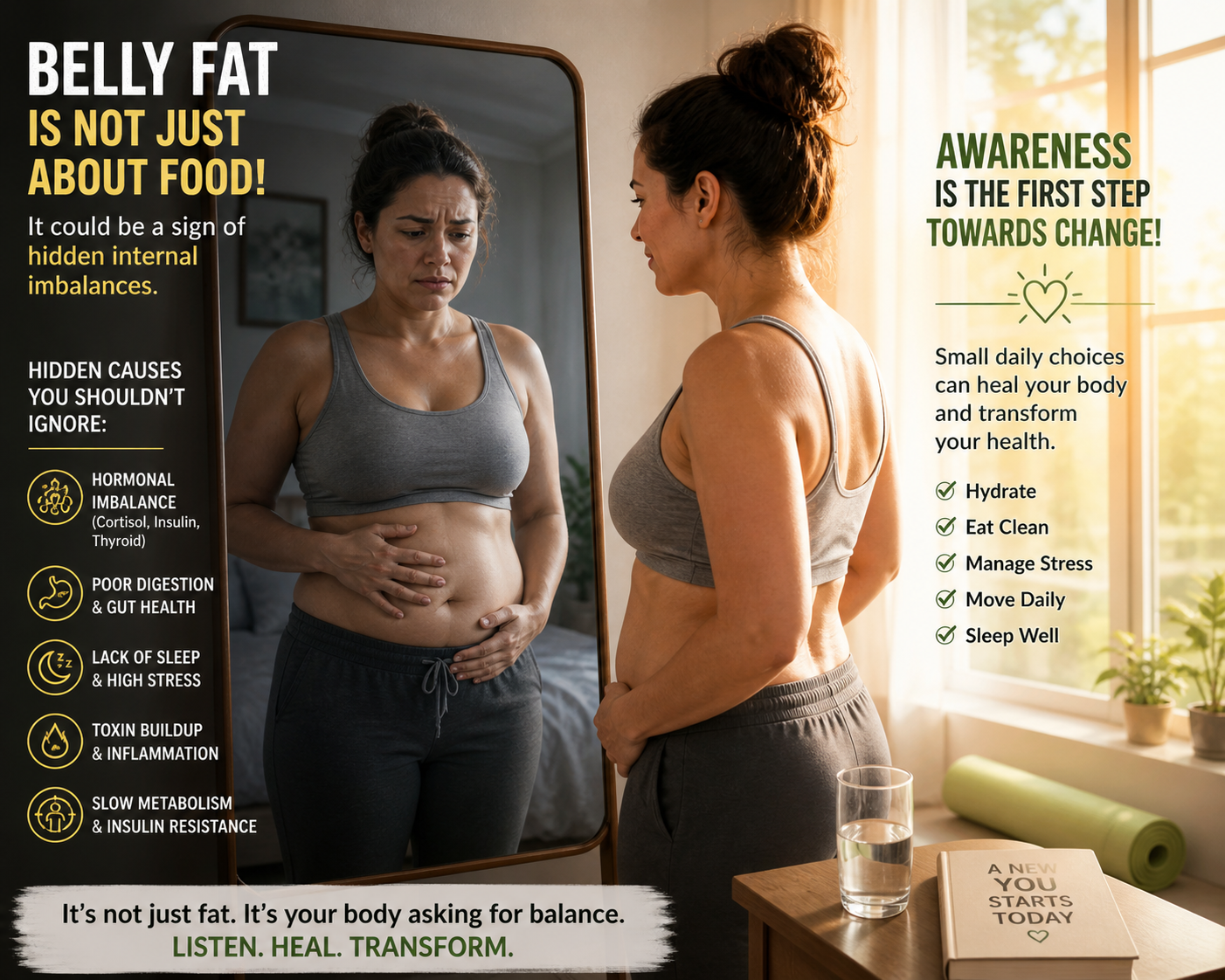
2. Unexplained Weight Gain (Especially Around the Belly)
If you’re maintaining a balanced diet and staying active but still gaining weight, it can feel frustrating.
The liver plays a role in fat metabolism. When the body is under stress, from excess sugar, alcohol, or poor sleep-fat storage patterns may shift.
Possible Signs:
- Difficulty losing weight
- Increased belly fat
- Slower metabolism
That said, weight gain is complex and often involves multiple factors, including hormones, lifestyle, and aging.
3. Constant Fatigue and Low Energy
Feeling tired all the time, even after a full night’s sleep, can be a signal your body is under strain.
The liver helps convert nutrients into usable energy. When overall health is affected (including sleep quality and stress levels), energy production may feel inconsistent.
You Might Experience:
- Morning fatigue
- Energy crashes during the day
- Lack of motivation
Chronic fatigue should always be evaluated, as it can have many underlying causes.
4. New Sensitivities or Increased Reactions
Have you suddenly become sensitive to certain foods, smells, or environmental triggers?
While not always linked directly to the liver, increased sensitivity may reflect how your body processes and reacts to different substances.
Common Complaints:
- Headaches
- Skin irritation or itching
- Nasal congestion
- Difficulty concentrating
These symptoms can also be related to allergies, stress, or immune responses, not just liver function.
5. High Exposure to Toxins in Daily Life
This one often goes unnoticed.
Think about your daily routine:
- Processed foods
- Air pollution
- Household cleaning chemicals
- Personal care products
- Alcohol consumption
Over time, consistent exposure may increase the body’s workload.
Possible Effects:
- Bloating
- Skin changes
- Low energy
- General “heaviness” feeling
While your liver can handle a lot, reducing unnecessary exposure can support overall health.
Important Note: Do You Really Need a “Liver Detox”?
Here’s where many people get confused.
Your liver does not need extreme detox products or cleanses to function properly. In fact, many so-called detox supplements are unnecessary or even harmful if misused.
Instead, the goal should be to:
- Support natural liver function
- Reduce overload
- Improve overall lifestyle habits
How to Support Liver Health Naturally
Instead of quick fixes, focus on sustainable daily habits. These are far more effective in the long run.
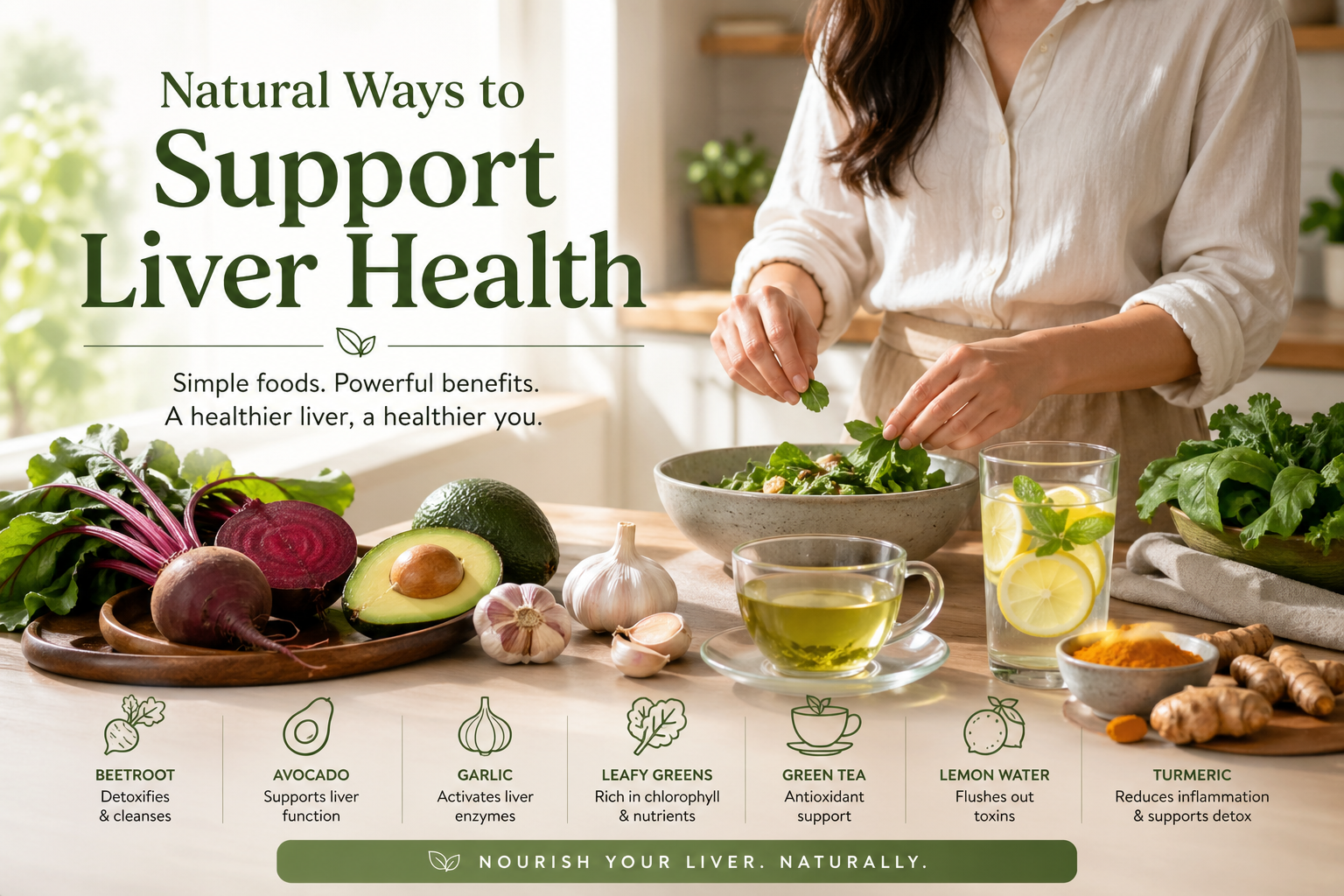
1. Eat Whole, Nutrient-Dense Foods
Certain foods are known to support overall liver function.
Include More:
- Garlic and onions
- Leafy greens
- Beetroot
- Citrus fruits (like grapefruit)
- Lentils and legumes
- Nuts and seeds
These foods provide antioxidants and nutrients that support normal body processes.
2. Add Bitter and Fiber-Rich Foods
Bitter foods may help stimulate digestion.
Examples:
- Arugula
- Fenugreek
- Turmeric
- Chicory
- Dandelion greens
Fiber also plays a key role in digestion and waste removal.
3. Stay Properly Hydrated
Water supports nearly every function in the body, including digestion and waste elimination.
Simple Tip:
Aim for 7-8 glasses of water daily (more in hot weather or during exercise).
Even mild dehydration can leave you feeling tired and sluggish.
4. Limit Processed Foods and Excess Alcohol
Highly processed foods and alcohol can increase the body’s workload.
Try to Reduce:
- Sugary snacks
- Packaged foods
- Fried items
- Excess alcohol intake
Small changes here can make a noticeable difference over time.
5. Reduce Exposure to Environmental Toxins
You don’t need to overhaul your life, but small adjustments help.
Practical Changes:
- Use cleaning products in ventilated areas
- Wash fruits and vegetables thoroughly
- Avoid excessive use of strong chemical sprays
- Choose simple, gentle personal care products
Signs Your Body Is Responding Positively
When you adopt healthier habits, you may gradually notice improvements such as:
- Better energy levels
- Reduced bloating
- Improved digestion
- Clearer skin
- More stable mood
- Better sleep quality
These changes often happen slowly, but consistently.
Frequently Asked Questions
What are the early signs of liver problems?
Common early signs may include fatigue, digestive discomfort, and changes in appetite. However, proper diagnosis requires medical evaluation.
Do detox diets really work?
Most extreme detox diets are not necessary. The body already has natural detox systems, primarily through the liver and kidneys.
Can drinking water detox the liver?
Water supports overall body function but does not “detox” the liver directly. It helps maintain hydration and supports natural processes.
What foods are best for liver health?
Whole foods such as vegetables, fruits, nuts, legumes, and fiber-rich foods are generally beneficial.
When should I see a doctor?
Seek medical advice if you experience:
- Persistent fatigue
- Severe abdominal pain
- Yellowing of skin or eyes
- Ongoing digestive issues
Final Thoughts
If you’ve been feeling off lately-bloated, tired, or just not like yourself—it’s easy to assume you need a quick detox.
But in reality, your body works best with consistency, not extremes.
Focusing on balanced nutrition, hydration, stress management, and reduced toxin exposure can go a long way in supporting your liver and overall health.
Small, steady improvements often deliver the most lasting results.
Medical Disclaimer
This information is provided for general educational purposes only and should not be considered medical advice, diagnosis, or treatment. Please consult a qualified healthcare professional before making any changes to your diet, lifestyle, or health practices.
Sources
- Mayo Clinic
- Cleveland Clinic
- Harvard Health Publishing
- National Institute of Diabetes and Digestive and Kidney Diseases (NIDDK)
- World Health Organization (WHO)