
I still remember my grandfather’s laugh, loud, warm, and impossible to ignore. But his habits told a quieter story. Decades of smoking eventually caught up with him, and one afternoon, everything changed in an instant. That moment made one thing clear: heart health isn’t something we should think about later, it deserves attention now.
The good news? Protecting your heart doesn’t require extreme changes. Small, consistent habits can make a powerful difference over time. Here are eight practical, science-backed ways to support your cardiovascular health.
1. Move Smarter, Not Just More
When people think of heart health, they often picture running or cycling. While cardio is important, strength training is just as valuable.
Incorporating resistance exercises like lifting weights or bodyweight workouts, at least twice a week can help:
- Lower blood pressure
- Improve insulin sensitivity
- Support overall metabolic health
You don’t need a gym membership or heavy equipment. Even simple exercises like squats, push-ups, or resistance bands can strengthen your body and reduce cardiovascular risk factors over time.
2. Prioritize Quality Sleep
Sleep is often overlooked, but it plays a critical role in heart health. Regularly getting less than 7 hours of sleep has been linked to an increased risk of heart disease, high blood pressure, and obesity.
Poor sleep can also worsen conditions like sleep apnea, which puts additional strain on the heart.
To improve sleep quality:
- Maintain a consistent bedtime
- Avoid screens before sleep
- Create a calm, dark sleeping environment
Think of sleep as daily maintenance for your heart, it’s not optional.
3. Don’t Ignore Oral Health
Brushing and flossing may seem unrelated to heart health, but research suggests otherwise. Gum disease has been associated with increased inflammation and a higher risk of conditions like atherosclerosis.
Bacteria from the mouth can enter the bloodstream and contribute to inflammation in blood vessels.
Simple habits make a difference:
- Brush twice daily
- Floss regularly
- Schedule routine dental checkups
Good oral hygiene isn’t just about your teeth, it supports your overall health, including your heart.
4. Be Mindful of Air Quality
Air pollution is an often overlooked risk factor for cardiovascular disease. Long-term exposure to polluted air can increase inflammation and strain on the heart.
If you live in a busy or polluted area, consider:
- Checking the Air Quality Index (AQI) before outdoor activities
- Using indoor air purifiers
- Avoiding heavy exercise during high pollution levels
While large-scale environmental changes are essential, small daily precautions can help reduce your personal risk.
5. Focus on Whole, Balanced Nutrition
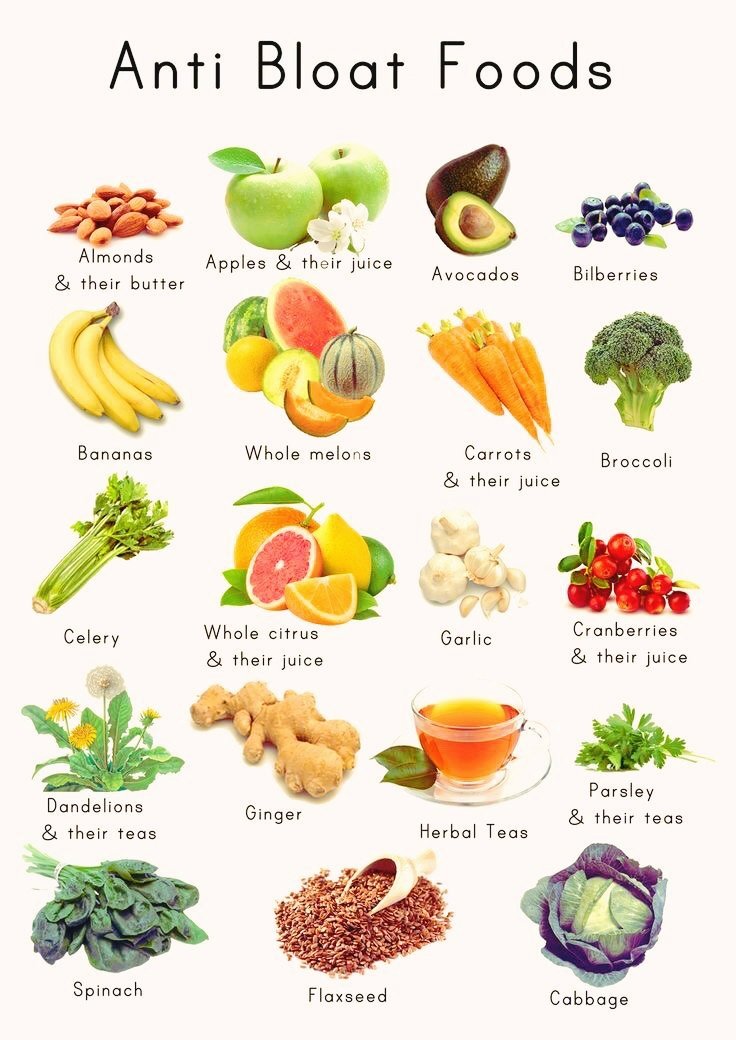
Rather than following restrictive diets, focus on long-term eating patterns. A heart-healthy diet includes:
- Whole grains and legumes
- Fresh fruits and vegetables
- Healthy fats (such as those found in nuts and fish)
- Natural spices like turmeric and garlic
Diverse, nutrient-rich foods also support gut health, which plays a role in reducing inflammation.
Instead of eliminating entire food groups, aim for balance and quality. Sustainable habits are far more effective than short-term restrictions.
6. Stay Socially Connected
Strong social connections are more powerful than many people realize. Studies have shown that loneliness and social isolation can increase the risk of heart disease.
Positive interactions help:
- Lower stress levels
- Improve emotional well-being
- Support recovery after health issues
Simple actions can help:
- Call a friend
- Spend time with family
- Join a group activity or hobby
Your social life is not just about enjoyment, it’s part of your overall health strategy.
7. Manage Stress in Practical Ways
Chronic stress can silently impact your heart by increasing blood pressure and inflammation over time.
While techniques like meditation are helpful, stress management doesn’t have to be complicated. Practical strategies include:
- Setting boundaries with work
- Reducing unnecessary screen time
- Taking short breaks during the day
- Engaging in relaxing activities like music, reading, or walking
The key is consistency. Find what works for you and make it part of your routine.
8. Pay Attention to Hidden Risk Factors
Many people focus only on diet and exercise, but other less obvious factors can also affect heart health. These include:
- Poor air quality
- Untreated sleep disorders
- Chronic oral infections
- Lack of strength training
Being aware of these “invisible risks” allows you to take a more complete approach to prevention.
Heart disease remains one of the leading health concerns worldwide, but many of its risk factors are manageable with the right habits and awareness.
Final Thoughts: Small Habits, Big Impact
Improving heart health doesn’t require perfection. It’s about consistency.
You might miss a workout or forget to floss occasionally and that’s okay. What matters is returning to the habits that support your well-being.
Start small:
- Take a short walk after meals
- Go to bed a little earlier
- Add one healthier food choice each day
Over time, these small actions build a strong foundation for a healthier heart.
Disclaimer
This article is for informational purposes only and does not replace professional medical advice. Always consult a qualified healthcare provider for personalized guidance.