
If you’re looking for ways to manage anxiety without medication, you’re not alone. Many people prefer natural approaches to improve their mental well-being without relying on prescriptions.
The good news is that there are several proven methods that can help you reduce anxiety naturally, improve emotional balance, and regain control of your daily life. In this guide, you’ll discover practical and effective anxiety relief techniques you can start using today.
1. Practice Deep Breathing to Calm Anxiety Quickly
One of the simplest ways to calm anxiety quickly is through deep breathing. Anxiety often causes rapid, shallow breathing, which can worsen symptoms.
A helpful technique:
- Inhale for 4 seconds
- Hold for 4 seconds
- Exhale slowly for 6 seconds
This method helps relax your nervous system and is one of the most effective natural remedies for anxiety you can use anywhere.
2. Stay Physically Active to Reduce Anxiety Naturally
Regular exercise is one of the best ways to reduce anxiety naturally. Physical activity releases endorphins, which improve mood and reduce stress levels.
You don’t need intense workouts. Simple activities like:
- Walking
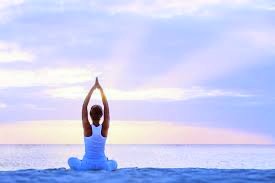
- Yoga
- Light stretching
can significantly improve mental clarity and emotional stability. Even 20-30 minutes a day can make a noticeable difference.
3. Improve Sleep for Better Mental Health
Sleep plays a critical role in managing anxiety. Poor sleep can increase stress levels and make anxiety harder to control.
To improve your sleep:
- Go to bed at the same time daily
- Avoid screens before sleep
- Keep your room quiet and comfortable
Better sleep is one of the most overlooked natural anxiety treatments, yet it has a powerful impact.
4. Reduce Caffeine and Sugar Intake
Caffeine and sugar can trigger anxiety symptoms such as restlessness and increased heart rate.
If you frequently feel anxious, try:
- Limiting coffee intake
- Avoiding sugary snacks
- Drinking more water or herbal tea
Making these small dietary changes can support long-term anxiety relief.
5. Practice Mindfulness and Meditation Daily
Mindfulness is a powerful technique that helps you stay present and avoid overthinking.
Meditation is one of the most effective natural remedies for anxiety, helping you:
- Improve focus
- Reduce stress
- Build emotional resilience
Start with just 5–10 minutes daily and gradually increase your practice.
6. Stay Connected and Talk to Someone
Talking to someone you trust can help release emotional tension and provide perspective.
Whether it’s a friend, family member, or support group, staying connected is essential for mental well-being. Social support is often underestimated but plays a major role in managing anxiety naturally.
7. Build a Simple Daily Routine
A structured routine can reduce uncertainty and help you feel more in control.
Try organizing your day with:
- Fixed meal times
- Scheduled work hours
- Time for relaxation
Having a routine is one of the most practical ways to reduce anxiety naturally, especially for those who feel overwhelmed.
Common Mistakes When Trying Natural Anxiety Relief
While using natural anxiety treatment methods, avoid these common mistakes:
- Expecting instant results
- Trying too many techniques at once
- Ignoring sleep and nutrition
- Avoiding social interaction
Consistency is the key to long-term success.
When Natural Methods Are Not Enough
While many people successfully manage anxiety without medication, some may need additional support.
If anxiety:
- Interferes with daily life
- Affects work or relationships
- Feels overwhelming
consider speaking with a mental health professional.
Conclusion
Learning how to manage anxiety without medication is possible with the right approach. By combining techniques like deep breathing, exercise, mindfulness, and better sleep, you can create a natural and sustainable way to improve your mental well-being.
Start small, stay consistent, and focus on progress, not perfection. Over time, these natural remedies for anxiety can lead to lasting positive changes.
FAQ
What is the fastest way to calm anxiety naturally?
Deep breathing and grounding techniques are among the fastest ways to calm anxiety quickly.
Can anxiety be treated naturally?
Yes, many people successfully use natural anxiety treatments like exercise, meditation, and lifestyle changes.
How long does it take to reduce anxiety naturally?
With consistent effort, improvements can often be seen within a few weeks.
Disclaimer
This article is for informational purposes only and does not replace professional medical advice. Always consult a qualified healthcare provider for personalized guidance.