5 Natural Ways to Lower Blood Pressure Without Feeling Overwhelmed
I still remember the morning my dad got his first high blood pressure reading. He stared at the monitor for a second, gave a tired smile, and said, “I thought this was an old man problem.”
He was only fifty-two.
That moment changed how our family looked at health. We realized high blood pressure doesn’t usually appear overnight. It builds quietly through stress, food choices, inactivity, poor sleep, and habits we barely notice until a doctor points them out.
The good news? Small lifestyle changes can genuinely help.
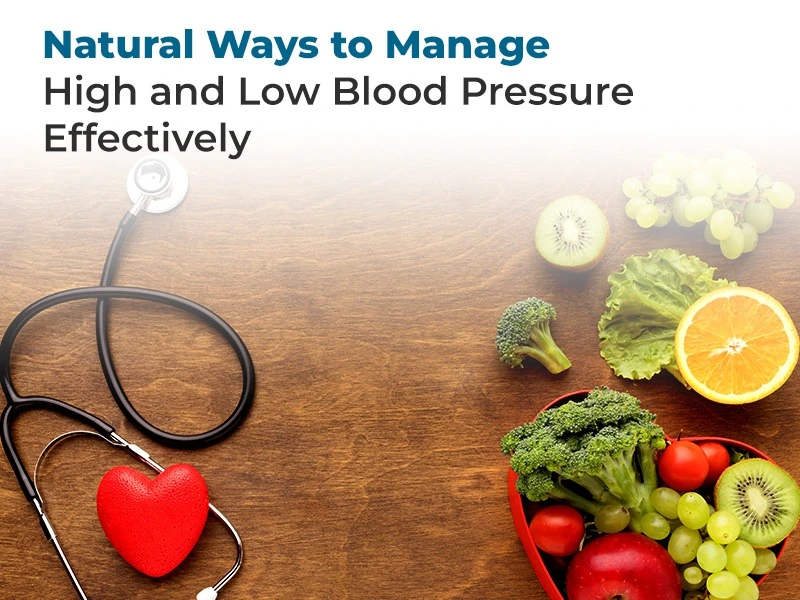
If you’re looking for natural ways to lower blood pressure, these evidence-based habits can support heart health without turning your life upside down. None of them are instant fixes, but together they can make a meaningful difference over time.
1. Eat to Protect Your Blood Vessels, Not Just Lose Weight
One of the most effective ways to reduce high blood pressure naturally is improving the quality of your diet.
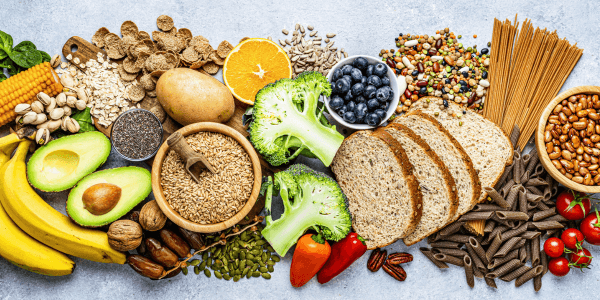
The well-known DASH diet for blood pressure focuses on:
- Fruits and vegetables
- Whole grains
- Lean proteins
- Low-fat dairy
- Less processed food, sugar, and excess sodium
Research consistently shows this eating pattern can help lower systolic blood pressure by several points, especially when followed consistently.
But beyond studies, here’s what matters in real life: your meals start working for your body instead of against it.
A simple rule that helped me:
If the plate is mostly beige and processed, rethink it.
Adding more color – greens, berries, beans, roasted vegetables, usually improves nutrition without complicated calorie counting.
2. Increase Potassium Instead of Only Obsessing Over Salt
Most people hear “cut sodium” and stop there. But potassium deserves just as much attention.
Potassium helps the body:
- Balance sodium levels
- Relax blood vessels
- Support healthy circulation
Foods rich in potassium include:
- Bananas
- Spinach
- Sweet potatoes
- Beans
- Avocados
- Yogurt
One small change that surprisingly helped me was replacing late-night chips with edamame or fruit. It wasn’t dramatic, but healthier swaps done repeatedly often matter more than extreme diets that last three days.
If you’re trying to manage high blood pressure naturally, focusing on potassium-rich foods can be a smart long-term habit.
3. Try Beetroot and Nitrate-Rich Foods for Better Blood Flow
This one sounds trendy, but there’s real science behind it.
Vegetables like:
- Beetroot
- Spinach
- Arugula
- Lettuce
contain dietary nitrates that the body converts into nitric oxide, a compound that helps blood vessels relax and widen.
Several studies suggest beetroot juice may support modest reductions in blood pressure, particularly in people already dealing with hypertension.
Personally, I started adding beetroot to smoothies before morning walks. Maybe it was partly psychological, but I genuinely felt more energized afterward.
That said, natural doesn’t always mean risk-free. If you have kidney conditions or take certain medications, speak with a healthcare provider before making major dietary changes.
4. Stress Management Matters More Than Most People Realize
Stress isn’t just emotional, it affects the body physically.
When stress becomes chronic, the nervous system stays in a heightened “fight-or-flight” mode, which can contribute to elevated blood pressure over time.
Simple practices like:
- Deep breathing
- Meditation
- Mindfulness
- Gentle yoga
- Guided relaxation
can help calm the nervous system and support healthier blood pressure levels.
I’ve noticed that even 10 minutes of slow breathing can slightly lower my readings on stressful days. It’s not magic. It’s physiology.
And honestly, the people who say they’re “too busy” for stress management are often the ones who need it most.
5. Move Your Body in Ways You Actually Enjoy
Exercise doesn’t need to look perfect to help your heart.
Walking counts. Gardening counts. Dancing in your kitchen probably counts too.
Regular movement helps:
- Improve circulation
- Support weight management
- Reduce stress
- Strengthen heart health
Both aerobic exercise and light resistance training can help lower blood pressure naturally over time.
The key is consistency, not punishment.
Skipping a workout doesn’t ruin progress. Giving up entirely usually does.
Choose activities you can realistically continue for months instead of intense routines you’ll hate after one week.
Small Changes Often Beat Extreme Plans
One thing I’ve learned from watching family members struggle with hypertension is this:
Lifestyle changes aren’t dramatic. They’re repetitive.
Drinking more water.
Taking walks.
Sleeping earlier.
Cooking more meals at home.
None of these habits look impressive on social media, but together they can create real improvements in blood pressure and overall health.
For some people, these changes may even reduce the need for medication over time, but any medication adjustments should always be discussed with a doctor first.
Final Thoughts on Lowering Blood Pressure Naturally
High blood pressure often develops quietly, which is why it’s sometimes called a “silent” condition. The encouraging part is that daily choices can make a real difference.
You don’t have to become perfect overnight.
Start with one realistic change this week:
- Add more vegetables
- Walk after dinner
- Practice deep breathing
- Drink less soda
- Sleep a little earlier
Small improvements add up faster than most people realize.
Disclaimer
The information provided in this article is intended for general educational purposes only and is not a substitute for professional medical guidance. Always seek advice from a licensed healthcare professional before making decisions related to blood pressure, hypertension, medications, or any health-related treatment plan.