


Mindfulness Meditation: Cultivating Awareness for a Healthier You
August 19, 2025 | by healthylivingtips
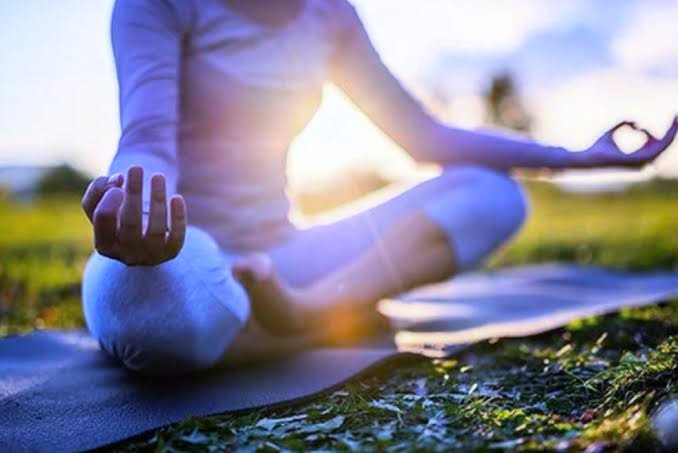
I recall the first time I attempted to “do” mindfulness. I was ready to become a more composed version of myself in only seven minutes, so I sat with my phone on quiet, my back erect, and my legs crossed. My thoughts immediately rushed to shopping lists, an unfinished email, and the precise form of an elbow bruise ten seconds in. After taking a single breath and two more, I burst out laughing. It was that chuckle that turned into a habit.
The Quiet Argument: why awareness matters (but not the way you think)
Most websites sell mindfulness as a tool for stress reduction. True. It helps. But that’s only the appetizer. Mindfulness rewires relationships with tiny, repetitive moments: noticing the itch on your sleeve, the pause before you snap at someone, the gap between impulse and action. Those gaps—milliseconds at first—can stretch into seconds, then into choices. And choices are where health happens.
Where breath meets boredom (the surprising training ground)
Here’s something people rarely emphasize: boredom is actually a muscle. Sitting in stillness forces the brain to tolerate low-stimulation states. That tolerance reduces compulsive phone-checking, emotional reactivity, and the need for constant entertainment. I used to flee boredom. Now I let it sit beside me for a few breaths. Weirdly, that’s when clearer ideas come. Not dramatic. Just quieter. Useful.
The messy, human side of attention
Mindfulness isn’t a tidy progress path. Some days I feel sharper; some days my attention is a herd of feral cats. That’s okay. In fact, the mess is the point. Perfectionist culture turned meditation into a checklist: ten deep breaths. But meditation is more like a relationship—you show up, sometimes you talk, sometimes you sit in silence, sometimes you forget to call at all. The practice is built on returning, again and again.
Tiny practices that actually stick
Forget sitting for an hour. Try micro-practices:
- Pause before you pick up your phone. Count one breath. Then decide.
- Do a two-breath check-in after every meeting. Are you tense? Release.
- Brush your teeth with full attention. It sounds silly, but sensory focus trains the mind.
These are more useful than long sessions for many people. They integrate mindfulness into life instead of making it a separate to-do.
Neuro-stuff (but not too nerdy)
Yes, the brain changes with practice. But nuance matters: meditation isn’t a magic pill. Effects vary; expectancy plays a role. Sometimes benefits come fast, sometimes they creep in slowly. Also: more is not always better—intense retreats can surface difficult emotions. If you’re vulnerable, ease in. Personal opinion: consistency beats intensity.
What most sites don’t say: the ethical and cultural dimension
Mindfulness has roots in long traditions. Commercializing it can strip context. It’s worth acknowledging origins and being humble. Also, psychological changes from meditation can bring up trauma. That’s under-discussed. If past trauma exists, pairing meditation with professional support is wise.
Bringing it into relationships
Mindfulness can quietly transform how we argue. That split-second between being triggered and reacting—that’s practice territory. Use it. Breathe. Speak less. Listen more. My partner and I started a “one-breath rule” during small fights: whoever exhaled first had to explain their feeling before blaming. It saved more evenings than I expected.
Final, imperfect thought
Mindfulness Meditation: Cultivating Awareness for a Healthier You isn’t about becoming unflappable. It’s about noticing the small seams of life and choosing, sometimes clumsily, to stitch them differently. Start tiny. Be messy. Laugh when your attention runs off a cliff. Then come back—again and again. That’s where change actually lives.
RELATED POSTS
View all

Nature’s Remedies: Natural Herbs and Supplements for Well-being
August 18, 2025 | by healthylivingtips

Unleash Your Full Potential: Embrace Personal Growth Through Fitness
August 21, 2025 | by healthylivingtips

Unlocking Health: Exploring the Benefits of Intermittent Fasting
August 24, 2025 | by healthylivingtips