


Nutrition Myths Debunked: Separating Fact from Fiction for Healthy Eating
August 17, 2025 | by healthylivingtips
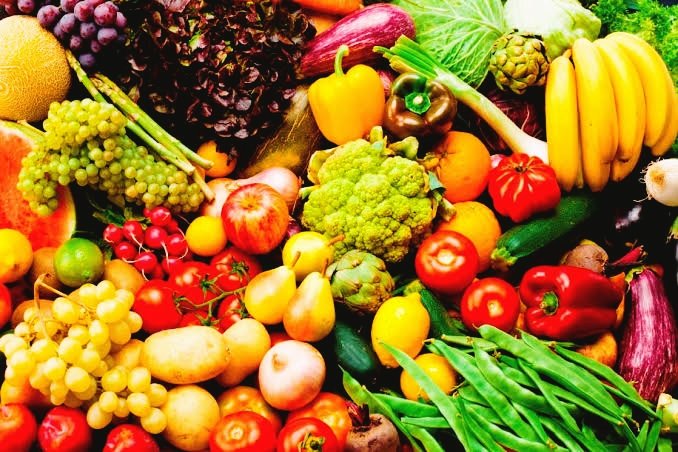
The myths surrounding food and nutrition profoundly influence our eating choices and habits. Many myths can affect our overall health and well-being, from misconceptions about specific food groups to beliefs in certain nutritional practices. Nutrition experts debunk some of the most persistent food myths to foster a clearer understanding of how to approach our diets more effectively.
Myth 1: A healthy diet should require supplements
While supplements can be beneficial for people, they are not a substitute for a healthy, balanced diet. Relying solely on supplements neglects the synergistic effects of nutrients offered by whole foods. Emphasizing a diverse diet that includes a variety of fruits , vegetables, whole grains, lean proteins , and healthy fats can provide essential nutrients needed for overall well-being. Adding supplements, such as a daily multivitamin, increases overall nutrient intake and can fill in the gaps where some nutrients are not being consumed in high enough proportions. Another myth is that if your supplements have 100% NRV (Nutrient Reference Value), it must be a good supplement. In many cases, this couldn’t be further from the truth—learn more about the 3 big myths about supplements. Did you know that supplements can contain nasty additives and unnecessary animal ingredients?
Myth 2: Breakfast is the most important meal of the day
The idea that breakfast is the most important meal has been widely shared. However, recent studies have challenged this notion, suggesting that the importance of breakfast varies from person to person. While some people may benefit from a balanced breakfast, others may find that intermittent fasting or delaying their first meal produces no adverse effects. It’s crucial to listen to your body’s hunger signals and adopt an eating pattern that suits your lifestyle and preferences.
Myth 3: Carbohydrates are bad and should be avoided
Carbohydrates are often the most common culprits behind weight gain and various health problems. However, not all carbohydrates are created equal . Whole grains, fruits, vegetables, and legumes provide essential nutrients, dietary fiber , and energy. Eliminating all carbohydrates can lead to a lack of necessary nutrients and may be unsustainable in the long term. It’s crucial to focus on consuming complex carbohydrates and maintaining a balanced diet rather than eliminating an entire food group.
Myth 4: Meat is necessary for a balanced diet
While meat can be a valuable source of protein and essential nutrients, a diverse and well-planned plant-based diet can also meet all necessary dietary requirements . By incorporating a variety of legumes, whole grains, nuts, seeds, and vegetables, people can obtain abundant protein, vitamins, and minerals without relying on animal products. It is critical to ensure a balanced intake of nutrients from a wide range of plant sources.
Increasing food knowledge can help create a more informed and balanced approach to nutrition. Expert nutritionist, dispels common misconceptions about plant-based diets . Adopting a diverse diet that incorporates a variety of whole foods—including grains, proteins, fruits, and vegetables —can contribute to overall health and well-being.
Myth 5: Stopping dairy will cause a calcium deficiency
Contrary to popular belief, calcium isn’t exclusive to dairy . Several plant-based sources, including tofu, fortified plant milks , leafy greens, and nuts, can provide ample amounts of calcium. Additionally, incorporating other bone-building nutrients, such as vitamin D , magnesium, and vitamin K, into your diet can further support bone health, even in the absence of dairy consumption.
Myth 6: To build muscle, all you need is protein
While protein is crucial for muscle repair and growth, focusing solely on protein intake without considering other essential nutrients can be counterproductive. A balanced diet that includes carbohydrates, healthy fats, vitamins, and minerals is vital for overall muscle development and sustained energy during workouts. Maintaining a balanced diet, along with regular resistance training, is key to building and maintaining muscle mass.
Myth 7: You can’t get enough protein from plant-based diets
Plant-based protein sources can provide all the essential amino acids needed for overall health and muscle function . Legumes, tofu, tempeh, quinoa, nuts, and seeds are all excellent sources of plant-based protein. By incorporating a variety of these protein-rich foods into your diet, you can easily meet your daily protein needs without relying on animal products.
Myth 8: All fat is bad
The blanket claim that all fats are harmful oversimplifies the role of fats in our diet. While saturated and trans fats can be detrimental to health when consumed in excess, unsaturated fats—including those found in avocados, nuts, and olive oil—are beneficial for heart health and overall well-being. It’s critical to distinguish between healthy and unhealthy fat sources and to incorporate moderate amounts of beneficial fats into your diet.
Myth 9: Multigrain and whole grains are the same thing
The misconception that whole grains and multigrain products are interchangeable can lead to poor dietary choices. While multigrain products contain several grains, they may not necessarily include the entire grain. On the other hand, whole grain products use the entire seed of the grain, providing more fiber, vitamins, and minerals. When shopping, prioritize whole grain products to reap the full benefits of their nutritional content.
Myth 10: Snacking is bad for you
Snacking in and of itself isn’t inherently unhealthy. The key is to choose nutrient-dense snacks that provide energy and essential nutrients between meals. Incorporating snacks that include fruits, vegetables, nuts, and yogurt can help maintain energy levels and prevent overeating during main meals. Mindful snacking can contribute to a well-balanced diet and support overall health goals . Finding a snack that’s healthy, vegan, and filling can sometimes be a challenge.
In Conclusion
By debunking these common nutrition myths, you’re better equipped to make informed and health-conscious choices. Embrace a balanced diet rich in whole foods, prioritize nutrients over restrictions, and remember that sustainable health comes from a holistic approach to eating. Consult with a healthcare professional or registered dietitian to create a personalized nutrition plan that supports your well-being and sets you on a path toward optimal health.
RELATED POSTS
View all


Simplifying Healthy Eating: The Power of Mindful Meal Prep
August 21, 2025 | by healthylivingtips

Nutrition Essentials: Building a Nourishing Diet for Optimal Health
August 18, 2025 | by healthylivingtips
Embracing the Mediterranean Diet: Delicious Foods for Heart and Brain Health
August 18, 2025 | by healthylivingtips