


The Power of Functional Fitness Training: Unlocking Your Full Potential
August 23, 2025 | by healthylivingtips
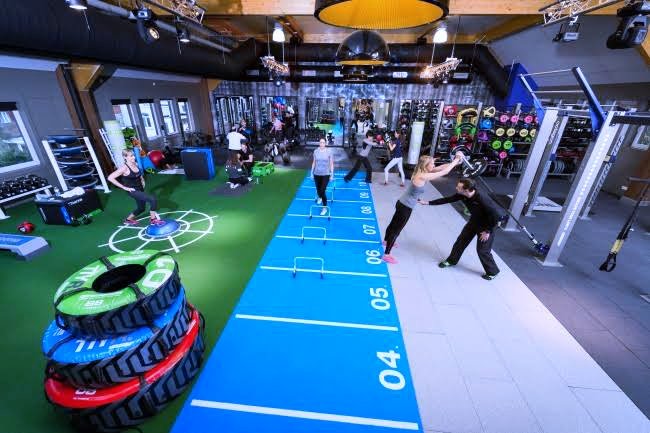
I’ll admit it—I used to hate the gym. The repetitive rows of machines, the endless treadmill miles, and the awkward clanging of weights—it all felt like a chore. And yet, somewhere along the way, I stumbled into functional fitness training, and everything changed. Suddenly, workouts weren’t about looking good in a mirror; they were about feeling alive, strong, and capable in the real world.
More Than Muscles: Strength You Actually Use
Most people think fitness is all about aesthetics—big biceps, toned abs, or sculpted legs. But here’s the kicker: having muscles doesn’t always translate to practical strength. Functional fitness is different. It trains your body for real-life movements: lifting, bending, twisting, jumping, and even recovering from unexpected slips or trips.
I remember helping a friend move his couch up three flights of stairs. Before functional training, I’d have huffed and puffed halfway up. After months of squats, kettlebell swings, and rotational exercises? I barely broke a sweat. That’s when I realized the power of functional fitness training isn’t just in the gym—it’s in life.
The Brain-Body Connection
Here’s something most websites don’t really talk about: functional fitness is as much mental as it is physical. Unlike machine-based exercises, functional movements challenge your balance, coordination, and spatial awareness. You’re not just lifting a weight—you’re teaching your brain and muscles to communicate efficiently.
I once tried a complex sequence with medicine balls, lunges, and rotational twists. I stumbled, laughed, got frustrated, and tried again. By the third round, my body was moving almost instinctively. That’s the beauty of functional fitness training—it rewires your body and mind together.
Variety Isn’t Just Spice—it’s Survival
Another thing I love about functional training is how unpredictably fun it can be. Jump ropes, sled pushes, tire flips, resistance bands—you name it. These movements mimic challenges we face in daily life. Most programs don’t emphasize that variation is key, not just for boredom, but for injury prevention and long-term strength.
Personally, I mix kettlebell Turkish get-ups with farmer’s carries and sledgehammer swings. Some days it feels chaotic, almost ridiculous. But that unpredictability teaches my body resilience. It’s like practicing life in miniature—preparing for the unexpected.
Tiny Improvements, Big Payoffs
Here’s the part that surprises most newcomers: functional fitness isn’t always about massive gains or record-breaking lifts. Often, the changes are subtle but profound. Improved posture, better sleep, reduced joint pain, more energy. These are the perks that sneak up on you.
I used to have chronic lower back tension from sitting at a desk all day. Simple core stabilization and hip mobility drills—functional staples—helped me feel lighter, freer, even happier. It wasn’t instant, but the payoff was undeniable. Functional fitness training slowly rewired my body mechanics, making everyday tasks easier and less painful.
Make It Personal
Here’s my take: functional training becomes powerful when you make it yours. Don’t copy what everyone else is doing. Experiment. Fall, stumble, laugh, try again. Use movements that challenge your weaknesses, celebrate your wins—no matter how small. It’s not about perfection; it’s about unlocking your full potential, one purposeful movement at a time.
So, the next time you see a kettlebell, a resistance band, or a balance ball, remember: it’s not just a piece of equipment. It’s a tool for living stronger, smarter, and more resilient. Dive in. Move well. And let functional fitness training show you what your body—and mind—are really capable of.
RELATED POSTS
View all

Discover the Benefits of Barre Workouts: Sculpting Your Body and Mind
August 22, 2025 | by healthylivingtips
Revamp Your Fitness Routine with These 5 Innovative Workouts
August 21, 2025 | by healthylivingtips

The Mental Benefits of Physical Activity: Strengthening Mind and Body Together
August 17, 2025 | by healthylivingtips