


The Truth About Fad Diets: Separating Fact from Fiction for Sustainable Weight Loss
August 19, 2025 | by healthylivingtips
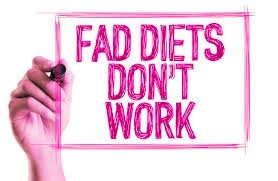
It started with my neighbor, Maria. She showed up one morning with that glow people get when they’ve discovered “the answer.” She was convinced the latest celebrity-endorsed diet—this one banned entire food groups—was going to change her life. A month later, she was back at square one, frustrated, exhausted, and strangely heavier. Sound familiar?
We can’t seem to get off the cultural treadmill that is the cycle of fad diets. Although people seek out short-term solutions, fad diets seldom result in long-term weight loss. Let’s disentangle the layers and distinguish reality from fantasy.
The Seduction of Quick Fixes
Fad diets are like flashy infomercials at 2 a.m. They promise “effortless results,” “10 pounds in 10 days,” or some other magic number that sparks hope. And yes, many of them work—at least temporarily. Cut carbs? Of course, you’ll drop water weight. Juice cleanses? Your scale will dip, but mostly because you’re starving yourself.
The problem? These “successes” rarely last. A study in the journal Obesity Reviews found that most people regain lost weight within one to five years after dieting. And what nobody mentions: repeated cycles of losing and gaining can actually slow your metabolism over time.
The Hidden Cost Nobody Talks About
Here’s what fad diets really cost: your relationship with food.
I remember trying a strict “clean eating” plan in my early 20s. At first, I felt powerful. But then dinner invitations became stressful. I turned down birthday cake, silently judged others’ plates, and thought of food as “good” or “bad.” That mental tug-of-war? That’s diet culture’s hidden damage.
Most websites talk about calories, macros, or forbidden foods. What they don’t emphasize is the psychological toll. Restrictive eating can trigger disordered patterns, making you obsess about food more—not less. And that constant guilt? It’s exhausting.
Why Fad Diets Feel Scientific (But Aren’t)
Another sneaky trick: fad diets borrow scientific jargon. They’ll say things like “detox your liver” (newsflash: your liver already detoxes just fine) or “hack your insulin response” (as if one food group elimination will magically cure metabolic issues).
I used to be impressed by words like “alkalizing” or “superfood.” Now I know they’re marketing hooks. A balanced plate of protein, fiber, healthy fats, and carbs works far better than chasing exotic powders or miracle supplements. It’s not sexy—but it’s science.
What Actually Works (and Feels Good Long-Term)
Here’s the part I wish someone told Maria—and me, years ago. Sustainable weight loss isn’t about perfection. It’s about habits that you can actually live with:
- Walking daily, even if it’s just around the block.
- Eating more whole foods, but not banning pizza night.
- Sleeping enough—because poor sleep drives cravings.
- Managing stress (yeah, that late-night snacking has less to do with hunger and more with emotions).
One underrated truth? Consistency beats intensity. Doing small, realistic things daily works better than radical diets that last two weeks.
My Imperfect Advice
I’ll admit it: I still get tempted by shiny new diet trends. Who doesn’t? But when I catch myself Googling “fastest way to lose 10 pounds,” I pause. I remind myself of Maria’s cycle, of my own food guilt years ago, of the countless friends who felt like failures because the diet failed them.
So here’s my imperfect advice: stop searching for the diet. Instead, build a way of eating that feels like yours. Sustainable weight loss doesn’t come from chasing every new rulebook—it comes from making peace with food, your body, and the slow, steady process of change.
And maybe, just maybe, enjoying that slice of birthday cake without guilt is part of the healthiest diet of all.
RELATED POSTS
View all

Embracing the Mediterranean Diet: Delicious Foods for Heart and Brain Health
August 18, 2025 | by healthylivingtips
Nutrition Essentials: Building a Nourishing Diet for Optimal Health
August 18, 2025 | by healthylivingtips
Unlocking the Power of Nutrition: Fueling a Healthy and Active Lifestyle
August 21, 2025 | by healthylivingtips