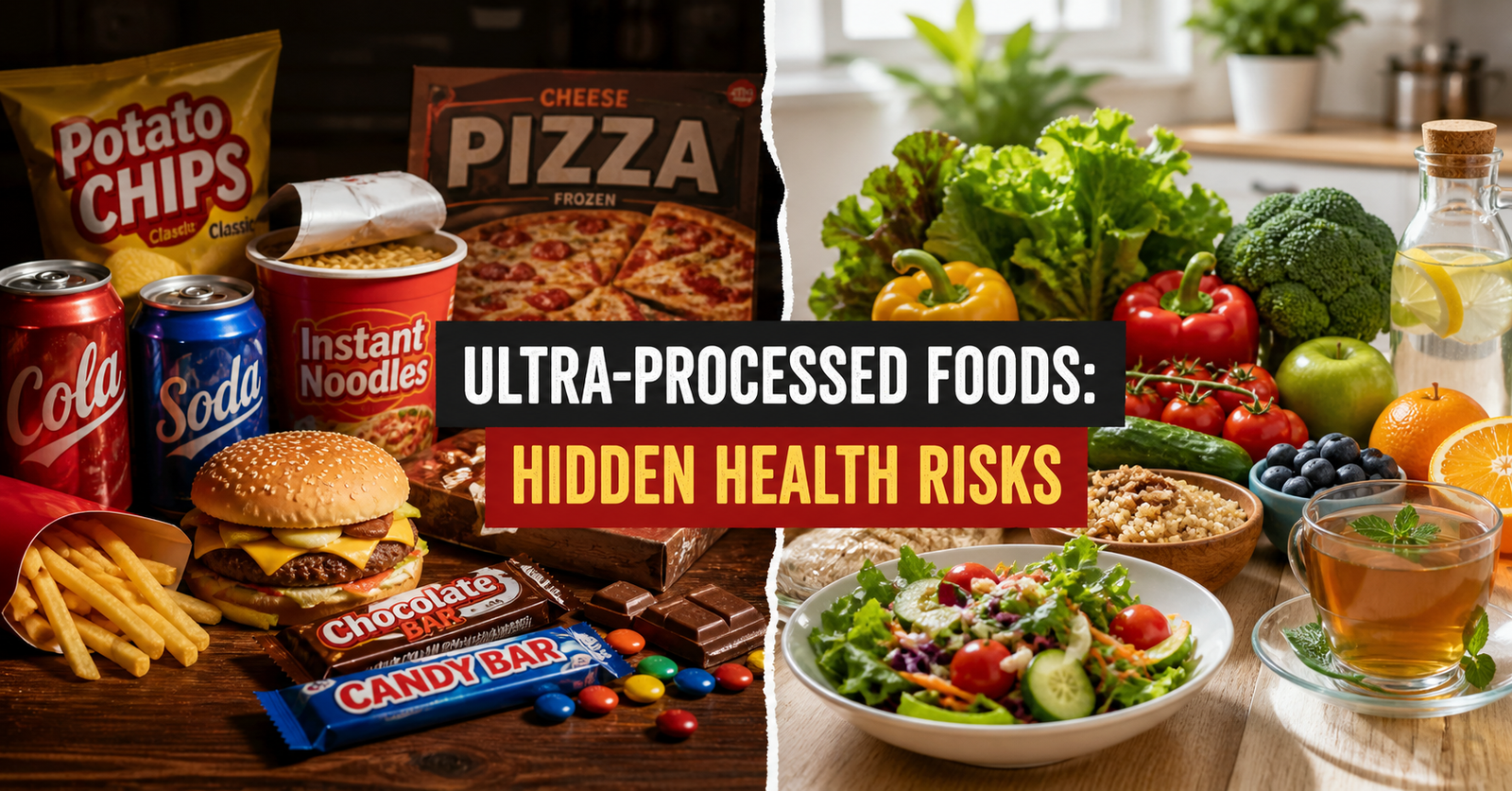
Walk through almost any supermarket today and you will see shelves filled with colorful snacks, frozen meals, sugary drinks, packaged desserts, and instant foods designed for convenience. They are quick, affordable, and heavily marketed, but many of these products fall into a category known as ultra-processed foods.
Over the past decade, researchers and health experts have raised growing concerns about how these foods may affect long-term health. While eating them occasionally is unlikely to cause major harm, relying on them daily may increase the risk of several health problems.
Understanding what ultra-processed foods are and how to reduce them in your diet, can help you make more informed food choices without feeling overwhelmed.
What Are Ultra-Processed Foods?
Ultra-processed foods (UPFs) are industrially manufactured products made with refined ingredients, artificial additives, preservatives, flavor enhancers, and little to no whole foods.
These products are designed to be:
- Highly convenient
- Long-lasting
- Extremely palatable
- Quick to prepare
Unlike minimally processed foods such as frozen vegetables or plain yogurt, ultra-processed foods often contain ingredients rarely used in home cooking.
Common Ingredients Found in UPFs
- Artificial flavors
- Preservatives
- Refined sugars
- Hydrogenated oils
- Emulsifiers
- Artificial sweeteners
- Food colorings
- Stabilizers
Many ultra-processed products are also high in:
- Added sugar
- Sodium
- Unhealthy fats
- Refined carbohydrates
At the same time, they are often low in fiber, vitamins, and essential nutrients.
Why Are Ultra-Processed Foods So Popular?
Modern lifestyles have made convenience a major priority.
Busy schedules, long work hours, and constant multitasking often lead people to choose foods that are:
- Fast
- Cheap
- Easy to store
- Ready to eat
A frozen meal or packaged snack may feel like the simplest option after a long day. For many families, convenience foods have become part of everyday life.
The problem is not occasional convenience, it is when ultra-processed foods begin replacing most whole and minimally processed meals.
Health Risks Linked to Ultra-Processed Foods
Research continues to explore the long-term effects of UPFs, but multiple studies have associated high consumption with various health concerns.
A diet high in ultra-processed foods may increase the risk of obesity, heart disease, type 2 diabetes, digestive problems, and poor overall nutrition.
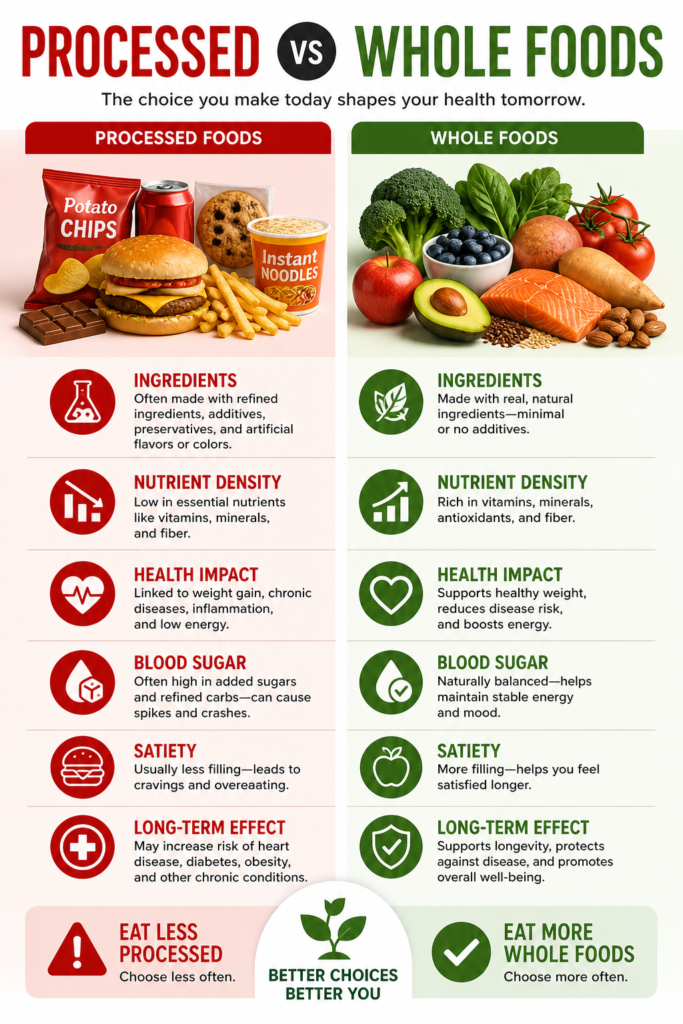
Here are some of the most commonly discussed concerns.
1. Weight Gain and Obesity
Ultra-processed foods are often engineered to encourage overeating.
They tend to be:
- High in calories
- Low in satiety
- Easy to consume quickly
Because these foods digest rapidly, they may leave people feeling hungry again sooner.
Examples include:
- Chips
- Sugary cereals
- Candy
- Fast food meals
- Packaged desserts
Frequent overeating may contribute to weight gain over time.
2. Increased Risk of Heart Disease
Many UPFs contain excessive sodium, refined oils, and added sugars.
Diets high in these ingredients may negatively affect:
- Blood pressure
- Cholesterol levels
- Inflammation
- Cardiovascular health
Processed meats, packaged snacks, and sugary beverages are commonly discussed in heart health research.
3. Blood Sugar Spikes
Highly processed carbohydrates may cause rapid increases in blood sugar levels.
This may contribute to:
- Energy crashes
- Increased hunger
- Insulin resistance
- Greater risk of type 2 diabetes
Foods such as:
- Sugary drinks
- White bread snacks
- Sweet pastries
- Candy bars
often provide quick energy but little nutritional value.
4. Digestive Health Problems
Whole foods naturally contain fiber, which supports healthy digestion and gut bacteria.
Ultra-processed foods are typically low in fiber and high in additives, which may negatively affect digestive health when consumed excessively.
Some people notice:
- Bloating
- Irregular digestion
- Increased cravings
- Low energy
when their diet heavily relies on processed foods.
5. Poor Nutritional Quality
One major issue with UPFs is that they may replace nutrient-rich foods in the diet.
For example:
- Soda replaces water
- Packaged snacks replace fruit
- Frozen desserts replace homemade meals
Over time, this may reduce overall nutrient intake.
Common Ultra-Processed Foods
Many ultra-processed foods are easy to recognize, while others appear surprisingly “healthy.”
Common Examples
- Soft drinks
- Instant noodles
- Packaged cookies
- Sugary breakfast cereals
- Frozen ready meals
- Candy bars
- Processed meats
- Fast food items
- Flavored chips
- Energy drinks
Surprisingly Common Sources of UPFs
Some products marketed as “healthy” may still be highly processed.
Examples can include:
- Flavored yogurts with additives
- Protein bars
- Artificially flavored oatmeals
- Sweetened plant-based drinks
- Packaged granola bars
- Low-fat desserts with artificial ingredients
Reading ingredient labels can help identify heavily processed products.
How to Identify Ultra-Processed Foods
A simple way to spot UPFs is by checking the ingredient list.
Signs a Food May Be Ultra-Processed
- Long ingredient lists
- Artificial colors or flavors
- Ingredients difficult to pronounce
- Added sugars in multiple forms
- Preservatives and stabilizers
- Refined oils and syrups
Generally, foods closer to their natural state are less processed.
Is It Possible to Completely Avoid Ultra-Processed Foods?
For most people, completely avoiding all processed foods is unrealistic.
The goal is not perfection.
Instead, focus on reducing dependence on heavily processed products and building a more balanced diet over time.
Small changes are often more sustainable than extreme restrictions.
Simple Ways to Reduce Ultra-Processed Foods
Transitioning toward healthier eating habits does not have to feel complicated.
Here are realistic strategies that may help.
1. Cook More Meals at Home
Home cooking gives you more control over ingredients, portion sizes, and preparation methods.
Even preparing a few meals weekly can make a difference.
Simple homemade meals may include:
- Vegetable stir-fries
- Rice and beans
- Salads with lean protein
- Homemade soups
- Whole-grain sandwiches
2. Choose Whole Foods More Often
Try building meals around:
- Fruits
- Vegetables
- Whole grains
- Nuts
- Seeds
- Eggs
- Fish
- Legumes
These foods generally provide more nutrients and fiber.
3. Replace Sugary Drinks
Replacing sugary soft drinks with water, herbal tea, or sparkling water may help reduce excess sugar intake and support better overall health.
Sugary beverages are one of the largest sources of added sugar in many diets.
4. Plan Healthy Snacks
Keeping healthier snacks available may reduce impulse eating.
Good options include:
- Fresh fruit
- Unsalted nuts
- Yogurt
- Carrot sticks
- Boiled eggs
- Homemade popcorn
5. Read Food Labels Carefully
Marketing terms such as:
- “Natural”
- “Low-fat”
- “High-protein”
- “Light”
do not always mean a product is minimally processed.
Checking ingredient quality is often more helpful than relying on packaging claims.
Healthier Food Swaps
Making small substitutions can significantly reduce processed food intake.
| Instead of | Try |
|---|---|
| Soft drinks | Sparkling water or herbal tea |
| Sugary cereal | Oats with fruit |
| Microwave popcorn | Homemade popcorn |
| White bread | Whole-grain bread |
| Candy bars | Nuts and fruit |
| Frozen pizza | Homemade pizza with fresh toppings |
What Research Says About Ultra-Processed Foods
Several health organizations and research studies have explored the connection between UPFs and chronic disease risk.
Studies have consistently shown that regularly eating large amounts of ultra-processed foods may be associated with an increased risk of several long-term health problems.
- Obesity
- Cardiovascular disease
- Type 2 diabetes
- Metabolic disorders
- Poor dietary quality
Organizations such as:
- World Health Organization (WHO)
- Harvard School of Public Health
- Mayo Clinic
- Cleveland Clinic
continue to encourage diets centered around minimally processed foods.
Frequently Asked Questions
Are all processed foods unhealthy?
No. Some processed foods, such as frozen vegetables, canned beans, or plain yogurt, can still be nutritious. The main concern is excessive consumption of heavily ultra-processed products.
Why are ultra-processed foods bad for health?
Many UPFs contain high levels of sugar, sodium, unhealthy fats, and artificial additives while providing limited nutritional value.
Can ultra-processed foods cause weight gain?
Frequent consumption may contribute to overeating and excess calorie intake, which can increase the risk of weight gain.
What are the worst ultra-processed foods?
Common examples include sugary drinks, packaged desserts, fast food, processed meats, instant noodles, and heavily sweetened snacks.
How can I eat fewer ultra-processed foods?
Cooking more meals at home, choosing whole foods, reading labels, and replacing sugary snacks with healthier options can help reduce intake.
Final Thoughts
Ultra-processed foods have become deeply integrated into modern eating habits because they are convenient, inexpensive, and widely available. However, relying too heavily on these products may negatively affect long-term health.
The good news is that healthier eating does not require extreme dieting or perfection.
Simple habits like:
- Cooking more often
- Choosing whole foods
- Reading ingredient labels
- Reducing sugary drinks
- Planning balanced meals
can gradually improve the quality of your diet.
Small daily choices often create meaningful long-term health benefits.
Medical Disclaimer
The information provided in this article is intended for general educational and informational purposes only. It should not be considered medical advice or used as a substitute for professional diagnosis, treatment, or healthcare guidance. Always seek advice from a licensed healthcare provider or qualified medical professional before making changes to your diet, exercise routine, medications, or lifestyle habits, especially if you have an existing health condition or specific medical concerns.
Sources
- World Health Organization – Healthy Diet Guidelines
- Harvard T.H. Chan School of Public Health – Research on processed foods and chronic disease
- Mayo Clinic – Nutrition and healthy eating resources
- Cleveland Clinic – Processed food health impacts
- Centers for Disease Control and Prevention – Added sugars and nutrition guidance
- American Heart Association – Sodium, processed foods, and heart health
- Monteiro CA, Cannon G, Levy RB, et al. “Ultra-processed foods: what they are and how to identify them.” Public Health Nutrition.
- BMJ Research Studies on Ultra-Processed Food Consumption and Chronic Disease Risk.
- National Institutes of Health (NIH) – Dietary patterns and metabolic health research.