

Mushrooms and Brain Health: Can Certain Fungi Support Memory and Focus?
In recent years, mushrooms have moved far beyond soups and stir-fries. From wellness blogs to social media discussions, certain fungi are now being explored for their potential role in supporting brain health, memory, focus, and mental clarity.
But are mushrooms genuinely beneficial for cognitive wellness, or is this simply another short-lived health trend?
Researchers continue to study the connection between mushrooms and brain function, particularly the bioactive compounds found in specific varieties. While more long-term human research is still needed, early findings suggest that some mushrooms may contain compounds linked to nerve health, reduced inflammation, and improved cognitive performance.
This article explores the science behind mushrooms and brain health, the most commonly discussed mushroom varieties, possible side effects, and whether mushroom tea may actually offer meaningful benefits.
Can Mushrooms Support Brain Health?
Certain mushrooms contain naturally occurring compounds that may help support neurological function and overall brain wellness.
Some studies suggest that mushrooms may contribute to:
- Memory support
- Cognitive performance
- Mental clarity
- Mood balance
- Nervous system health
- Reduced oxidative stress
Mushrooms are also naturally rich in nutrients such as:
- B vitamins
- Antioxidants
- Fiber
- Minerals
- Polysaccharides
These nutrients play important roles in overall health, including energy production and cellular function.
What makes mushrooms especially interesting to researchers is their potential effect on nerve growth and brain cell maintenance.
Which Mushroom Is Most Commonly Linked to Brain Health?
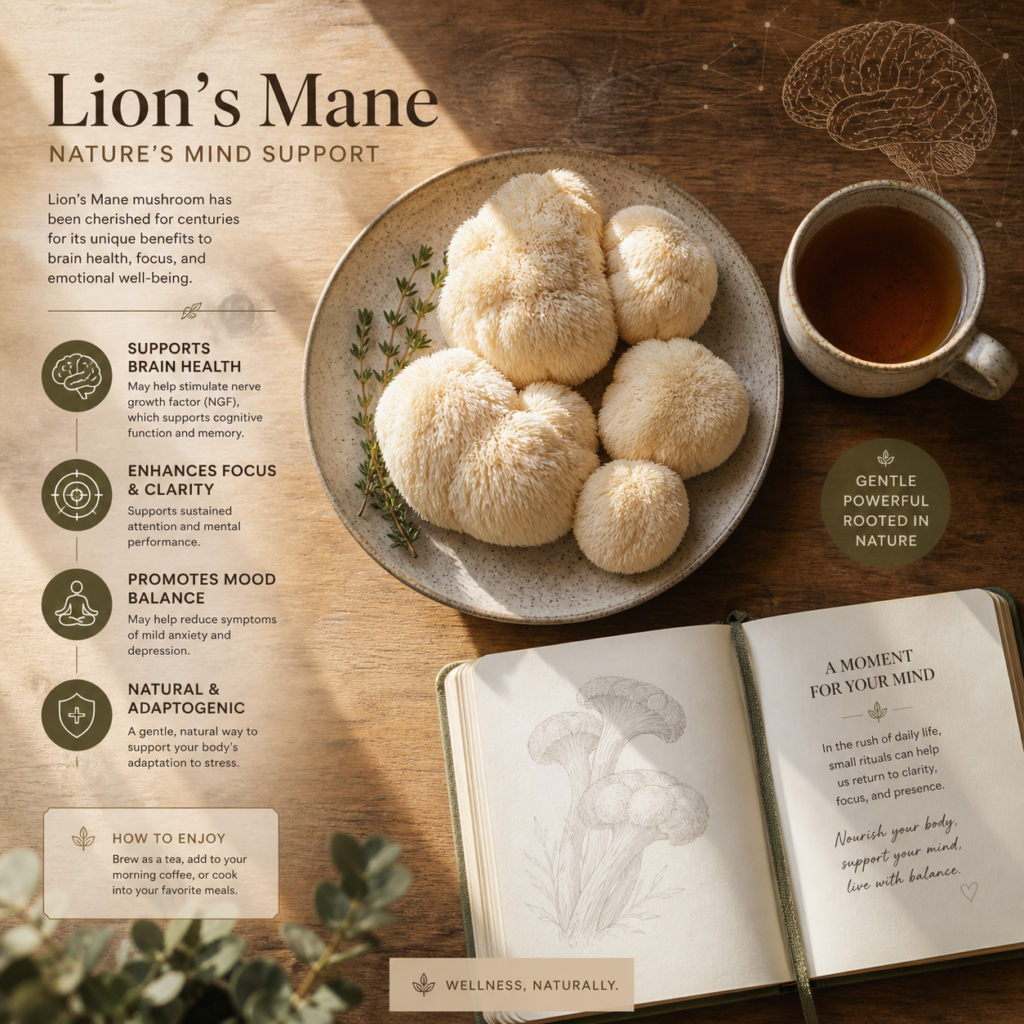
Lion’s Mane mushroom is one of the most researched mushrooms for brain health because it contains compounds called hericenones and erinacines, which may help support nerve growth factor (NGF). NGF is important for the growth, maintenance, and survival of nerve cells involved in memory, learning, and cognitive function.
Why Brain Health Matters More With Age
Many people begin paying closer attention to cognitive wellness as they get older.
Factors such as:
- Chronic stress
- Poor sleep
- Aging
- Inflammation
- Nutritional deficiencies
- Sedentary lifestyles
may affect concentration, memory, and mental sharpness over time.
This growing interest in long-term brain health is one reason mushrooms have gained attention in the wellness and nutrition space.
Still, it is important to separate evidence-based information from exaggerated health claims often found online.
Types of Mushrooms Commonly Studied for Cognitive Health
Not all mushrooms are researched for the same purpose. Some are studied more heavily for immune support, while others are explored for their potential neurological effects.
Here are some of the most discussed varieties connected to brain and mental wellness.
1. Lion’s Mane Mushroom and Cognitive Function
Lion’s Mane Mushroom Benefits for Brain Health
Lion’s Mane is easily recognized by its white, shaggy appearance that resembles cascading strands.
Researchers have shown particular interest in Lion’s Mane because it contains compounds called:
- Hericenones
- Erinacines
These compounds may help stimulate nerve growth factor (NGF), a protein involved in maintaining healthy nerve cells.
Potential Areas Being Studied
Research is currently exploring whether Lion’s Mane may help support:
- Memory
- Focus
- Learning ability
- Cognitive performance
- Nervous system function
Some preliminary studies have shown promising results, but experts agree that larger human studies are still needed.
2. Reishi Mushroom and Stress Support
Reishi Mushroom and Mental Wellness
Reishi mushrooms have been used traditionally in various wellness practices for centuries.
They contain bioactive compounds such as:
- Triterpenes
- Polysaccharides
- Antioxidants
Researchers are exploring whether these compounds may help support:
- Relaxation
- Stress response
- Sleep quality
- Mood balance
Chronic stress may negatively affect memory, concentration, and overall brain function. Because of this connection, mushrooms linked to stress management often attract attention in discussions around mental wellness.
However, Reishi should not be considered a replacement for medical treatment or mental health care.
3. Cordyceps and Mental Energy
Cordyceps and Cognitive Performance
Cordyceps mushrooms are often discussed in relation to physical stamina and energy metabolism.
Some studies suggest that Cordyceps may support oxygen utilization and circulation, which may indirectly influence mental alertness and focus.
Researchers continue investigating whether Cordyceps may contribute to:
- Mental clarity
- Energy production
- Reduced fatigue
- Exercise performance
Although interest in Cordyceps continues to grow, evidence regarding direct cognitive benefits is still limited.
Mushroom Tea: Why Has It Become So Popular?
Mushroom tea has become increasingly common among people looking for alternative wellness beverages.
Typically, mushroom tea is made using:
- Dried mushrooms
- Mushroom powders
- Mushroom extracts
- Hot water infusions
Many people prefer mushroom tea because it can feel easier to incorporate into a daily routine compared to cooking mushrooms regularly.
Some also enjoy the earthy flavor and calming ritual associated with warm herbal beverages.
Do Mushroom Teas Actually Work?
Are Mushroom Teas Effective?
Mushroom teas may provide some of the beneficial compounds naturally found in mushrooms, depending on the preparation method and mushroom type used. Heat may help extract certain bioactive compounds, although scientific evidence regarding the long-term cognitive effects of mushroom tea in humans is still developing.
At the moment, research on mushroom teas remains limited compared to whole-food nutritional studies.
The effectiveness may depend on factors such as:
- Mushroom variety
- Preparation method
- Dosage
- Frequency of use
- Overall diet and lifestyle
Drinking mushroom tea alone is unlikely to dramatically transform brain health without broader healthy habits in place.
Potential Side Effects and Safety Considerations
Although edible mushrooms are generally considered safe for most healthy individuals, there are still important precautions to consider.
1. Allergic Reactions
Some individuals may experience allergic reactions to certain mushroom varieties.
Possible symptoms may include:
- Skin irritation
- Digestive discomfort
- Swelling
- Respiratory symptoms
Trying small amounts initially may help identify sensitivities.
2. Digestive Sensitivity
Certain mushrooms can be difficult for some people to digest, especially when eaten raw.
Cooking mushrooms thoroughly may help improve digestibility.
Some individuals may experience:
- Bloating
- Gas
- Stomach discomfort
3. Medication Interactions
Certain mushroom compounds may interact with medications or underlying medical conditions.
People taking medications related to:
- Blood pressure
- Blood thinning
- Immune function
- Diabetes management
should speak with a healthcare professional before making significant dietary changes involving medicinal mushrooms.
What Current Research Says About Mushrooms and Brain Health
Scientific interest in mushrooms and neurological wellness continues to grow.
Researchers are exploring how mushroom compounds may affect:
- Neuroinflammation
- Oxidative stress
- Nerve cell health
- Cognitive aging
- Brain signaling pathways
However, many current studies are:
- Small-scale
- Preliminary
- Animal-based
- Short-term
This means more high-quality human research is still needed before definitive conclusions can be made.
Mushrooms should not be viewed as miracle foods or replacements for medical treatment.
Healthy Habits That Support Brain Function Naturally
While mushrooms may play a role in a balanced diet, overall lifestyle patterns remain the most important factor for long-term cognitive health.
Healthy habits linked to brain wellness include:
- Regular physical activity
- Quality sleep
- Stress management
- Social interaction
- Balanced nutrition
- Mental stimulation
- Adequate hydration
No single food can compensate for poor overall health habits.
Frequently Asked Questions
Are mushrooms good for brain health?
Certain mushrooms contain compounds being studied for their potential role in supporting memory, focus, nerve health, and cognitive function.
Which mushroom is best known for cognitive support?
Lion’s Mane is one of the most researched mushrooms related to brain health and nerve growth factor support.
Is mushroom tea healthy?
The potential benefits of mushroom tea can vary based on the type of mushroom used and how it is prepared. However, scientific evidence on its long-term effects on brain health is still limited and continues to evolve.
Can mushrooms improve memory?
Preliminary research has indicated that certain mushroom varieties may play a role in supporting memory, focus, and overall cognitive function, although larger long-term human studies are still necessary to better understand their full effects.
Are there side effects of medicinal mushrooms?
Some people may experience mild side effects such as allergic reactions, stomach sensitivity, bloating, or possible interactions with certain medications.
Final Thoughts
Mushrooms are attracting growing scientific interest for their potential role in brain health and cognitive wellness.
Varieties such as:
- Lion’s Mane
- Reishi
- Cordyceps
contain bioactive compounds currently being studied for their possible effects on memory, stress response, focus, and nerve function.
At the same time, it is important to approach wellness trends realistically. Mushrooms are not miracle cures, and research surrounding their long-term neurological effects is still evolving.
Incorporating mushrooms into a balanced diet may offer nutritional benefits, especially when combined with healthy lifestyle habits that support long-term brain function and overall well-being.
Medical Disclaimer
This content is intended for general information and educational purposes only and should not be considered medical advice, diagnosis, or treatment. Before making any major changes to your diet or incorporating medicinal mushrooms, consult a qualified healthcare professional, especially if you have existing health conditions or are taking prescription medications.
Sources
- National Institutes of Health (NIH)
- Harvard Health Publishing
- Cleveland Clinic
- Frontiers in Aging Neuroscience
- Journal of Medicinal Food
- Mayo Clinic