
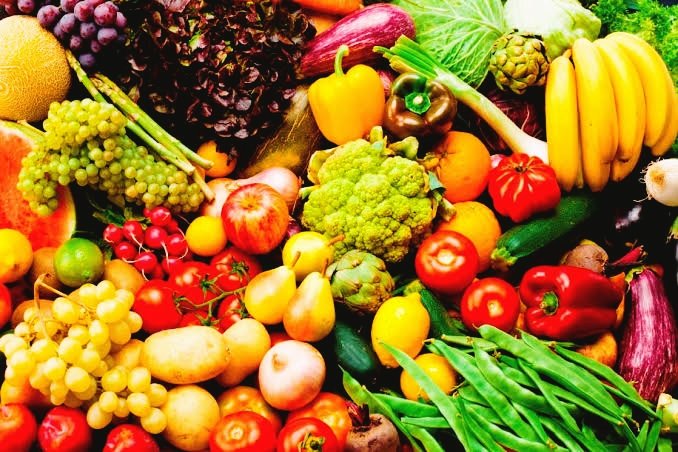
Food and nutrition advice is everywhere, but not all of it is accurate. In fact, many widely believed ideas about diet and health are based on outdated science or misunderstandings. These myths can influence daily eating habits, sometimes leading to confusion or poor dietary choices.
Understanding what’s true and what’s not, can help you build a more balanced and sustainable approach to eating. Below, we break down some of the most common nutrition myths and explain what current evidence suggests.
Myth 1: A Healthy Diet Requires Supplements
Supplements can be useful in certain situations, but they are not a replacement for a balanced diet. Whole foods provide a combination of nutrients, fiber, and beneficial compounds that work together to support overall health.
For example, eating fruits and vegetables not only delivers vitamins and minerals but also antioxidants and fiber that supplements often lack. While a multivitamin may help fill specific gaps, relying entirely on supplements can lead to imbalances.
Additionally, not all supplements are created equal. Some may contain unnecessary additives or ingredients that offer little benefit. The best approach is to focus on a varied diet and use supplements only when needed, ideally under professional guidance.
Myth 2: Breakfast Is the Most Important Meal of the Day
The belief that breakfast is essential for everyone has been widely promoted. However, research suggests that the importance of breakfast varies from person to person.
Some individuals feel more energized and focused after eating in the morning, while others function well without it. There is no universal rule that applies to everyone.
Instead of forcing a routine, it’s more effective to listen to your body. If you feel hungry in the morning, choose a balanced meal with protein, healthy fats, and complex carbohydrates. If not, delaying your first meal may work just as well.
Myth 3: Carbohydrates Are Bad for You
Carbohydrates often get blamed for weight gain and health issues, but this is an oversimplification. The key difference lies in the type of carbohydrates consumed.
Refined carbohydrates such as sugary snacks and processed foods, can contribute to health problems when eaten in excess. On the other hand, complex carbohydrates found in whole grains, fruits, vegetables, and legumes provide essential nutrients and long-lasting energy.
Eliminating carbohydrates entirely can lead to nutrient deficiencies and may not be sustainable. A balanced approach that prioritizes whole, unprocessed sources is far more beneficial.
Myth 4: Meat Is Necessary for a Balanced Diet
While meat is a rich source of protein and certain nutrients, it is not the only way to meet dietary needs. A well-planned plant-based diet can provide sufficient protein, vitamins, and minerals.
Foods like lentils, beans, tofu, nuts, seeds, and whole grains offer a wide range of nutrients. By including a variety of these foods, it’s possible to maintain a balanced and complete diet without relying on animal products.
The key is variety and proper planning to ensure all nutritional requirements are met.
Myth 5: Avoiding Dairy Leads to Calcium Deficiency
Dairy products are commonly associated with calcium, but they are not the only source. Many plant-based foods also provide significant amounts of calcium.
Examples include:
- Fortified plant-based milks
- Tofu
- Leafy greens like spinach and kale
- Nuts and seeds
In addition, nutrients such as vitamin D, magnesium, and vitamin K play an important role in bone health. A balanced diet that includes these nutrients can support strong bones even without dairy.
Myth 6: Protein Alone Builds Muscle
Protein is essential for muscle repair and growth, but it’s only one part of the equation. Building muscle also requires:
- Adequate calorie intake
- Carbohydrates for energy
- Healthy fats for hormone balance
- Regular strength training
Focusing only on protein while ignoring other nutrients can limit progress. A well-rounded diet combined with consistent exercise is the most effective strategy for muscle development.
Myth 7: Plant-Based Diets Don’t Provide Enough Protein
This is a common misconception. Plant-based foods can provide all the essential amino acids when consumed in a varied diet.
Good plant-based protein sources include:
- Lentils and beans
- Chickpeas
- Tofu and tempeh
- Quinoa
- Nuts and seeds
By combining different sources throughout the day, it’s easy to meet daily protein requirements without animal products.
Myth 8: All Fats Are Unhealthy
Fats are often misunderstood, but they play a crucial role in overall health. The important factor is the type of fat consumed.
Healthy fats such as those found in avocados, nuts, seeds, and olive oil, support heart health and brain function. In contrast, excessive intake of trans fats and highly processed saturated fats may increase health risks.
Rather than avoiding fats entirely, focus on including healthy sources in moderation.
Myth 9: Multigrain and Whole Grain Are the Same
These two terms are often confused, but they are not identical.
- Multigrain means a product contains multiple types of grains, which may still be refined.
- Whole grain means the entire grain kernel is used, retaining more fiber and nutrients.
When choosing grain products, opting for whole grain options generally provides more nutritional benefits.
Myth 10: Snacking Is Unhealthy
Snacking itself is not harmful, the quality of snacks matters more than the habit.
Healthy snacks can:
- Maintain energy levels
- Prevent overeating at meals
- Provide essential nutrients
Examples of balanced snacks include:
- Fresh fruits with nuts
- Yogurt with seeds
- Vegetable sticks with hummus
Mindful snacking, rather than constant or processed snacking, can support overall health.
Conclusion
Nutrition doesn’t have to be complicated, but misinformation can make it seem that way. By understanding and questioning common myths, you can make more informed choices about your diet.
A balanced approach focused on whole foods, variety, and consistency is far more effective than following strict rules or trends. For personalized guidance, consulting a qualified healthcare professional or dietitian can help tailor a plan that fits your individual needs.
Disclaimer: This content is for informational purposes only and should not be considered medical advice. Consult a qualified healthcare professional for personalized guidance.