How to Lower Cholesterol Naturally: 5 Simple Habits That Actually Help
A doctor once gave a friend of mine some blunt advice: “Your cholesterol numbers need attention.”
Nothing dramatic happened after that appointment. No extreme diet. No overnight transformation. Instead, there were small changes switching breakfast, walking more often, cutting back on sugary snacks, and paying attention to sleep for the first time in years.
Months later, the lab results improved.
That’s the thing about learning how to lower cholesterol naturally: it’s rarely about perfection. More often, it’s the accumulation of small, consistent choices that slowly shift your health in a better direction.
If you’re looking for realistic ways to improve your cholesterol levels without falling into fad diets or impossible routines, these strategies are a smart place to begin.
1. Eat More Soluble Fiber for Better Cholesterol Control
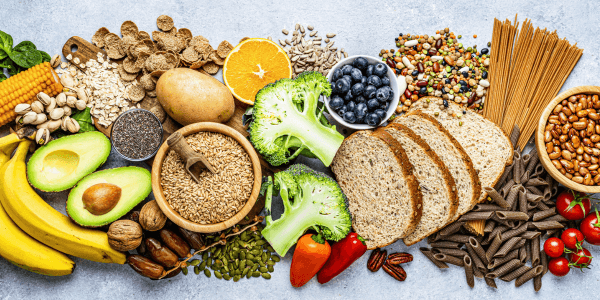
One of the most effective natural ways to lower LDL cholesterol is increasing soluble fiber intake.
Foods like:
- Oats
- Beans
- Lentils
- Apples
- Psyllium husk
contain soluble fiber that binds to cholesterol in the digestive system, helping remove it from the body before it enters the bloodstream.
Research suggests that getting around 5-10 grams of soluble fiber daily may help reduce LDL (“bad”) cholesterol levels over time.
A Simple Example
Instead of starting your morning with sugary cereal or pastries, try a bowl of steel-cut oats topped with fruit and nuts a few times a week.
It may not feel life-changing immediately, but over several months, these small habits can make a measurable difference.
2. Use Plant Sterols to Help Block Cholesterol Absorption
Another lesser-known strategy involves plant sterols and stanols.
These natural compounds are found in certain:
- Fortified spreads
- Yogurts
- Supplements
- Seeds and plant foods
Plant sterols work by partially blocking cholesterol absorption in the intestines.
Studies show that consuming about 1.5-3 grams daily may reduce LDL cholesterol by roughly 7-12% in some people.
Important Reminder
Plant sterols can support heart health, but they are not a replacement for prescribed cholesterol medication when stronger treatment is necessary.
Think of them as one useful tool, not a miracle fix.
3. Improve Gut Health to Support Cholesterol Balance
Your digestive system plays a bigger role in cholesterol management than many people realize.
Emerging research suggests that certain gut bacteria may help transform cholesterol into compounds that are less likely to be absorbed by the body. In simple terms, a healthier gut microbiome may support better cholesterol metabolism.
Ways to Support Gut Health Naturally
- Eat more diverse plant foods
- Include fermented foods like yogurt or kefir
- Increase fiber gradually
- Avoid unnecessary antibiotic use when possible
This area of science is still developing, but many experts believe the connection between gut health and cholesterol is important for long-term heart health.
4. Exercise, Sleep, and Stress Management Matter More Than People Think
When discussing how to reduce cholesterol naturally, most people focus only on food. But lifestyle habits work together.
Regular Physical Activity
Exercise can help:
- Raise HDL (“good”) cholesterol
- Improve circulation
- Support healthy weight management
Even moderate activities like brisk walking, cycling, or swimming can help over time.
Sleep and Stress
Poor sleep and chronic stress may negatively affect cholesterol levels and overall cardiovascular health.
Lack of sleep often leads to:
- Increased cravings
- Higher sugar intake
- Reduced energy for exercise
Meanwhile, chronic stress can influence hormones that affect metabolism and inflammation.
Reduce Added Sugar
One often-overlooked factor is sugar. Excess added sugar may:
- Increase triglycerides
- Lower HDL cholesterol
- Contribute to weight gain
Cutting back on sugary drinks, desserts, and processed snacks can significantly support healthier lipid levels.
5. Small Timing and Meal Tweaks Can Add Up
Sometimes the smallest adjustments make healthy habits easier to maintain.
Spread Fiber Throughout the Day
Instead of eating all your fiber in one meal, try including fiber-rich foods across breakfast, lunch, and dinner. This may help support more consistent cholesterol management.
Pair Plant Sterols with Meals
Plant sterol products appear to work best when consumed alongside meals containing dietary fats.
Don’t Forget Omega-3 Fatty Acids
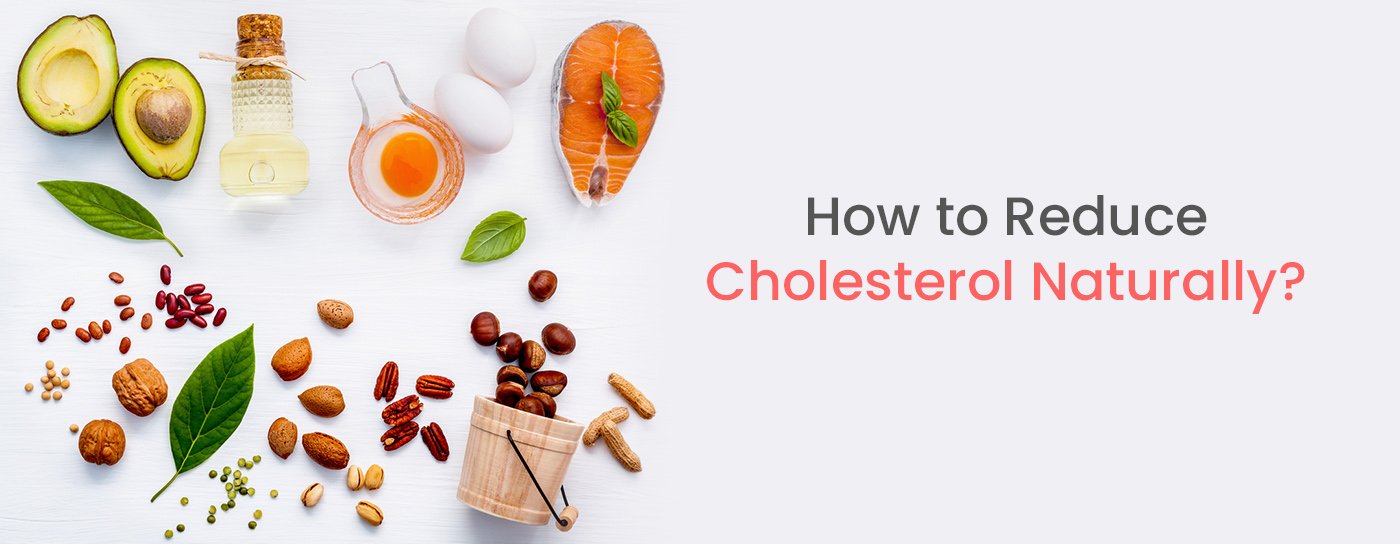
Omega-3s found in foods like:
- Salmon
- Sardines
- Chia seeds
- Walnuts
may not significantly lower LDL cholesterol, but they can help reduce triglycerides and support heart health.
A Realistic Approach to Lowering Cholesterol
If your cholesterol is only mildly elevated, these lifestyle changes are often the best place to begin.
However, very high cholesterol especially when caused by genetics, may require medication in addition to healthy habits. There’s no shame in that. The goal is improving long-term health, not chasing perfection.
The encouraging part is this: meaningful progress usually comes from consistency, not extreme restrictions.
You’ll have off days. Everyone does.
But small improvements repeated over time can lead to healthier routines, better energy levels, and, eventually, better lab results too.
Disclaimer
This article is for informational purposes only and does not replace professional medical advice. Consult a healthcare provider before making changes to your diet, lifestyle, or supplement routine.