Simple Kitchen Remedies to Improve Digestion Naturally
For a long time, I barely thought about digestion. Like most people, I assumed feeling bloated after a heavy meal was just normal. That changed one winter morning after I rushed through a giant bowl of lentils before heading out the door. Within an hour, I felt uncomfortable, sluggish, and overly full for the rest of the day.
That experience pushed me to start experimenting with simple kitchen remedies instead of relying on expensive supplements or trendy “detox” products. Surprisingly, the smallest habits made the biggest difference.
If you’re dealing with occasional bloating, gas, or sluggish digestion, these natural digestion remedies may help you feel lighter and more comfortable after meals.
Why Simple Digestion Remedies Often Work Better
Many people search for quick fixes when digestive discomfort appears. But digestion usually improves through small, consistent habits rather than dramatic cleanses.
Your digestive system responds well to:
- Better eating habits
- Gentle natural ingredients
- Reduced stress during meals
- Proper hydration and portion control
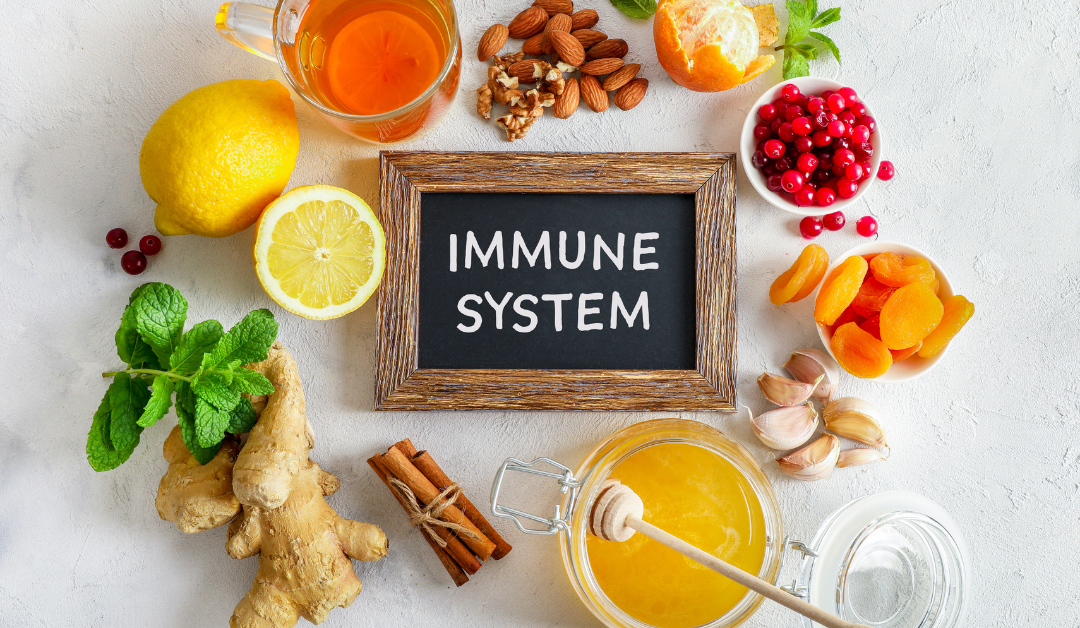
Simple kitchen ingredients can support digestion naturally without overcomplicating your routine.
Start Meals with Warm Lemon Water
One of the easiest habits I picked up was drinking warm water with a squeeze of lemon about 10–15 minutes before eating.
This simple drink may help:
- Stimulate stomach acid production
- Prepare the digestive system for food
- Reduce feelings of heaviness after meals
It’s not a miracle cure, but it often helps meals feel easier to digest, especially heavier lunches or dinners.
Quick Tip:
Use warm water instead of cold water for a gentler effect on the stomach.
The Overlooked Habit: Chewing Food Properly
Everyone says “chew your food,” but few explain why it matters.
Digestion actually begins in the mouth. Saliva contains enzymes that help break down food before it even reaches the stomach. Eating too quickly forces your digestive system to work harder.
I started slowing down occasionally and noticed:
- Less bloating
- Reduced gas
- Better comfort after meals
You don’t need to count every chew perfectly. Simply slowing down and chewing more thoroughly can noticeably improve digestion over time.
Best Kitchen Spices for Digestion
Some of the most effective digestive aids are probably already sitting in your kitchen cabinet.
Fennel Seeds
Fennel is traditionally used to reduce bloating and gas. Chewing a small pinch after meals may help relax the digestive tract.
Cumin
Roasted cumin supports digestion and adds flavor to meals without being harsh on the stomach.
Ajwain (Carom Seeds)
Ajwain is commonly used in Indian kitchens to ease indigestion and heaviness after rich foods.
Ginger
Ginger tea is one of the most soothing natural remedies for digestion. It may help:
- Reduce nausea
- Support gut motility
- Relieve bloating
A warm cup of ginger tea after dinner often feels surprisingly calming.
Bitter Foods Can Support Digestion
Modern diets tend to focus heavily on sweet and salty flavors, but bitter foods play an important role in digestion too.
Foods like:
- Arugula
- Grapefruit
- Fenugreek
- Bitter greens
may help stimulate bile and digestive enzymes, making meals easier to process.
Adding a small amount of bitter foods to salads or side dishes can naturally support healthy digestion.
Fermented Foods for Gut Health
Fermented foods contain beneficial bacteria that may support gut balance and digestive health.
Some easy options include:
- Yogurt
- Homemade curd
- Kefir
- Fermented vegetables
A small serving alongside meals can sometimes improve digestion and reduce discomfort.
Important Note:
If you have IBS, acid reflux, or food sensitivities, introduce fermented foods slowly. Too much too quickly can sometimes worsen symptoms temporarily.
Warm Drinks May Feel Gentler Than Ice-Cold Beverages
Many people notice that warm drinks feel more soothing during meals compared to icy beverages.
Warm herbal teas like:
- Ginger tea
- Peppermint tea
- Fennel tea
can help relax the digestive system and reduce feelings of fullness after eating.
While cold drinks aren’t harmful for everyone, some people feel less bloated when they avoid large iced beverages during meals.
Apple Cider Vinegar Before Meals
A small amount of apple cider vinegar diluted in water before meals may help support digestion for some people.
This may be especially useful with:
- Heavy meals
- Protein-rich foods
- Large portions
Start Slowly:
Try just 1 teaspoon mixed into water. Avoid using too much, especially if you have acid reflux or a sensitive stomach.
Portion Control Helps More Than Extreme Diets
One of the biggest digestion lessons I learned had nothing to do with specific foods.
Large meals can overwhelm the digestive system, especially when eaten quickly. Eating slightly smaller portions more consistently throughout the day often feels easier on the stomach.
You don’t need strict food rules. Even reducing portion sizes slightly may help:
- Improve energy levels
- Reduce bloating
- Prevent sluggishness after meals
Stress and Digestion Are Closely Connected
Stress can directly affect digestion. Eating while distracted, anxious, or rushed often leads to discomfort later.
Taking just one minute to pause before eating can help your body shift into a calmer digestive state.
Simple deep breathing before meals may help:
- Reduce heartburn
- Improve digestion
- Lower stomach tension
It sounds small, but it genuinely makes a difference.
Final Thoughts on Natural Digestion Remedies
Improving digestion doesn’t always require complicated diets or expensive supplements. Often, the most effective solutions are simple habits repeated consistently over time.
Whether it’s chewing more slowly, drinking warm ginger tea, or adding fennel seeds after meals, small kitchen remedies can support better digestive health naturally.
The key is to experiment gently and pay attention to what works best for your body.
And if you try just one thing this week, make it this:
slow down while eating.
That one simple habit changed my mornings more than any supplement ever did.
Disclaimer
This article is for informational purposes only and does not replace professional medical advice. Consult a healthcare provider before making changes to your diet, lifestyle, or supplement routine.