The wellness industry is evolving quickly, and 2026 is expected to bring a major shift toward more practical, science-backed health habits. People are no longer searching for unrealistic routines or complicated wellness plans. Instead, they want solutions that fit naturally into busy schedules while still supporting long-term health.
From gut health support and high-protein nutrition to mental wellness and personalized health tracking, the focus is moving toward sustainable habits that improve daily life, not just temporary trends.
Here’s a closer look at the biggest wellness trends expected to shape 2026 and why they matter.
What Are the Top Wellness Trends for 2026?
The top wellness trends for 2026 include personalized nutrition, gut health support, high-protein foods, mental wellness, smarter weight management, functional beverages, and science-backed lifestyle habits. Consumers are prioritizing convenient, sustainable health solutions that support energy, metabolism, sleep, stress management, and overall well-being.
1. Convenience Nutrition Is Becoming the New Normal
Modern lifestyles are busier than ever. Many people want healthier options without spending hours preparing meals or following strict diet plans.
As a result, convenient wellness-focused foods are becoming increasingly popular.
These include:
- Ready-to-drink nutritional beverages
- High-protein snacks
- Functional foods
- Fortified drinks
- On-the-go wellness products
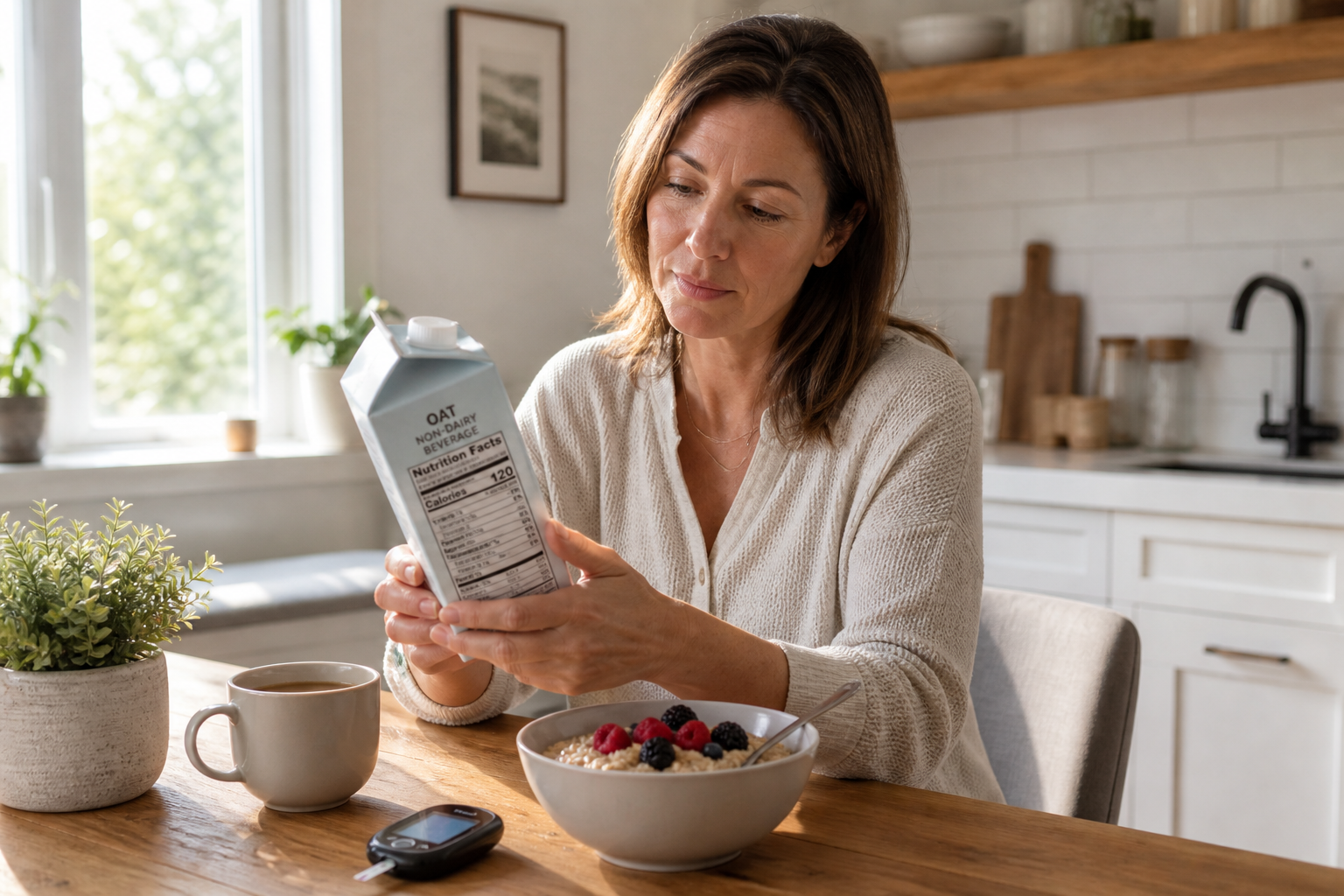
However, convenience does not necessarily mean unhealthy. Many consumers are now paying closer attention to ingredient quality, protein content, sugar levels, and nutritional value.
The goal is simple: healthier choices that realistically fit into everyday life.
Gut Health Continues to Lead Wellness Conversations
One of the strongest wellness trends for 2026 is the growing focus on gut health.
Researchers continue exploring how digestive health may influence:
- Immune function
- Energy levels
- Mood balance
- Skin health
- Overall wellness
Because of this, probiotics and prebiotics are appearing in more everyday foods and beverages.
Popular examples include:
- Fermented drinks
- Yogurt products
- Fiber-rich snacks
- Kombucha
- Functional hydration beverages
Many people are also becoming more aware of how daily habits, such as stress, sleep, hydration, and processed food intake can affect digestion.
Important Reminder
While convenient products can help, whole foods still play a major role in maintaining digestive health.
Foods like:
- Vegetables
- Fruits
- Yogurt
- Oats
- Beans
- Fermented foods
continue to be valuable for supporting a healthy gut microbiome.
2. High-Protein Foods Are Expanding Beyond the Fitness World
Protein is no longer viewed as something only athletes care about.
In 2026, protein-focused nutrition is becoming part of mainstream wellness because people are increasingly interested in:
- Healthy aging
- Muscle support
- Energy levels
- Appetite balance
- Metabolic health
High-protein options are now appearing in:
- Snacks
- Desserts
- Breakfast foods
- Convenience meals
- Functional beverages
This shift reflects growing awareness that adequate protein intake may support overall wellness throughout life, not just workout recovery.
Why Protein Matters More After 30 and 40
As people age, maintaining muscle mass becomes increasingly important.
Muscle health may influence:
- Strength
- Mobility
- Metabolism
- Bone support
- Daily energy
Because of this, many adults are paying closer attention to protein intake as part of long-term healthy aging.
However, experts still recommend focusing on balanced nutrition rather than relying entirely on processed “health” foods.
3. Mental Wellness and Brain Health Are Taking Center Stage
Mental wellness is becoming one of the most important health priorities worldwide.
People are talking more openly about:
- Stress
- Burnout
- Sleep struggles
- Anxiety
- Mental fatigue
Instead of viewing mental health separately from physical health, consumers increasingly recognize how closely the two are connected.
Research continues examining how factors such as:
- Sleep quality
- Blood sugar balance
- Nutrition
- Physical activity
- Gut health
- Chronic stress
may influence emotional well-being and cognitive function.
Everyday Habits Supporting Mental Wellness
In 2026, wellness is moving beyond quick fixes and focusing more on sustainable daily routines.
Common habits people are adopting include:
- Morning walks
- Meditation
- Breathwork
- Reduced screen time
- Journaling
- Better sleep hygiene
- Balanced nutrition
Nutrients such as magnesium, omega-3 fatty acids, and B vitamins are also receiving increased attention for their role in overall wellness and nervous system support.
4. Beauty and Skin Wellness Are Becoming More Holistic
The beauty industry is shifting toward the idea that healthy skin and hair often begin internally.
Instead of focusing only on topical products, more consumers are paying attention to:
- Hydration
- Nutrition
- Sleep
- Stress management
- Antioxidant-rich foods
Wellness trends now emphasize supporting the body as a whole rather than relying entirely on cosmetic solutions.
Nutrients commonly associated with skin and hair support include:
- Zinc
- Vitamin A
- Omega-3 fatty acids
- Protein
- Antioxidants
Environmental stress, lack of sleep, and chronic stress are also becoming larger parts of the skin-health conversation.
5. Smarter Weight Management Is Replacing Extreme Diet Culture
Another major wellness trend for 2026 is the move away from aggressive dieting and unrealistic body expectations.
People are increasingly focusing on:
- Sustainable habits
- Long-term metabolic health
- Better sleep
- Stress reduction
- Balanced eating patterns
- Daily movement
This approach recognizes that weight management is influenced by many factors beyond willpower alone.
These may include:
- Hormonal balance
- Sleep quality
- Stress levels
- Gut health
- Muscle mass
- Lifestyle habits
The conversation is gradually becoming more balanced and health-focused instead of appearance-focused.
Why Sustainable Wellness Habits Matter
Quick fixes often create short-term results but may be difficult to maintain.
That is why many health experts now encourage:
- Realistic nutrition habits
- Moderate physical activity
- Consistent sleep routines
- Stress management
- Long-term consistency
For many people, smaller sustainable changes are more effective than extreme routines.
6. Personalized Wellness Is Growing Rapidly
Personalized health is expected to become even more popular in 2026.
People increasingly want wellness guidance tailored to their individual needs rather than generic advice.
This may include:
- Personalized nutrition plans
- Wearable health tracking
- Sleep monitoring
- Fitness data
- Microbiome testing
- DNA-based wellness insights
Technology is helping consumers better understand how lifestyle habits affect their bodies individually.
However, experts also caution against overcomplicating wellness with excessive testing or unrealistic expectations.
7. Wellness Is Becoming More Practical and Realistic
Perhaps the biggest shift happening in 2026 is that wellness is becoming more achievable.
Instead of chasing perfection, many people are focusing on:
- Consistency
- Simplicity
- Mental balance
- Better routines
- Preventive health habits
The wellness industry is gradually moving toward realistic lifestyle support rather than extreme trends.
That change may help more people build healthier habits they can actually maintain long term.
Frequently Asked Questions
What are the biggest wellness trends for 2026?
Some of the biggest wellness trends include:
- Gut health support
- Personalized nutrition
- Mental wellness
- High-protein foods
- Functional beverages
- Sustainable weight management
- Sleep optimization
Why is gut health so popular right now?
Research continues exploring how digestive health may influence immunity, mood, energy levels, and overall wellness.
Is personalized nutrition worth it?
Personalized wellness plans may help some individuals better understand their health habits, although balanced nutrition and lifestyle fundamentals still remain important.
Why is mental wellness becoming a major trend?
Rising stress levels, burnout, sleep problems, and increased awareness around mental health are encouraging people to prioritize emotional well-being.
Are wellness trends replacing traditional healthy habits?
No. Most experts still emphasize core lifestyle habits such as:
- Balanced nutrition
- Sleep
- Exercise
- Hydration
- Stress management
These remain foundational for long-term health.
Final Thoughts
The wellness trends shaping 2026 reflect a larger shift toward practical, science-informed living.
People are becoming more interested in habits that support:
- Long-term energy
- Mental clarity
- Digestive wellness
- Healthy aging
- Sustainable routines
Rather than chasing perfection, the focus is increasingly on building realistic habits that support overall well-being in everyday life.
As wellness continues evolving, simplicity, consistency, and evidence-based choices are likely to remain at the center of healthier living.
Medical Disclaimer
The information provided in this article is intended for general educational and informational purposes only and should not be interpreted as medical advice, diagnosis, or treatment. Wellness trends, nutrition research, and lifestyle recommendations continue to evolve, and individual health needs may vary significantly based on age, medical history, medications, allergies, and underlying conditions.
Always consult a licensed physician, registered dietitian, or qualified healthcare professional before starting any new diet, wellness routine, supplement regimen, exercise program, or lifestyle change, especially if you are pregnant, nursing, managing a medical condition, or taking prescription medications.
This content does not replace professional medical evaluation or personalized healthcare guidance. Reliance on any information provided in this article is solely at your own discretion and risk.
Sources
- World Health Organization – Healthy diet and lifestyle guidance
- Centers for Disease Control and Prevention – Nutrition, physical activity, and preventive wellness research
- Harvard T.H. Chan School of Public Health – Research on nutrition, gut health, and metabolic wellness
- National Institutes of Health – Studies related to stress, sleep, metabolism, and wellness trends
- Mayo Clinic – Guidance on healthy lifestyle habits and preventive health
- Cleveland Clinic – Information on mental wellness, healthy aging, and nutrition
- American Psychological Association – Research on stress, burnout, and mental health
- Academy of Nutrition and Dietetics – Evidence-based nutrition and wellness recommendations