
How to Strengthen Your Immune System Naturally
Your immune system works around the clock to help protect your body from viruses, bacteria, and other harmful invaders. Most of the time, it performs these tasks quietly in the background without you even noticing.
However, factors such as chronic stress, poor sleep, unhealthy eating habits, and nutrient deficiencies may weaken the body’s natural defenses over time. This is why many people search for natural ways to strengthen the immune system and reduce the risk of seasonal illnesses like colds and flu.
The good news is that supporting immune health does not usually require extreme diets or complicated routines. Small, consistent lifestyle habits can play an important role in helping your body function at its best.
How can you strengthen the immune system naturally?
You can support the immune system naturally through healthy eating, regular exercise, quality sleep, stress management, hydration, and nutrient-rich foods containing vitamins such as vitamin C, vitamin D, and zinc. Consistent healthy lifestyle habits may help improve overall immune health and wellness.
In this guide, you’ll learn:
- How the immune system works
- The best foods and vitamins for immune support
- Lifestyle habits that may improve immunity naturally
- Common mistakes that can weaken the immune system
- Evidence-based wellness tips for long-term health
Why a Strong Immune System Matters
The immune system is the body’s defense network. It helps identify and respond to harmful pathogens, including viruses, bacteria, and fungi.
Your body already has several protective barriers, including:
- Skin
- Mucous membranes
- White blood cells
- Antibodies
- Specialized immune cells
When these systems work together effectively, the body is often able to fight infections more efficiently.
A weakened immune system may increase susceptibility to:
- Frequent colds
- Fatigue
- Slow recovery
- Infections
- Inflammation-related health issues
Supporting immune function naturally can help promote overall wellness and resilience.
1. Regular Exercise May Help Support Immune Health
Physical activity is one of the most effective natural ways to support the immune system.
Research suggests that moderate exercise may help:
- Improve circulation
- Support healthy inflammation responses
- Promote immune cell activity
- Reduce stress levels
During exercise, the body increases blood flow, which may help immune cells move more efficiently throughout the body.
Best Types of Exercise for Immune Support
- Walking
- Cycling
- Swimming
- Yoga
- Light strength training
- Stretching routines
Even 20–30 minutes of movement several times per week may support overall health.
Important Note
Excessive or intense overtraining without proper recovery may temporarily weaken immune function. Balance and consistency are key.
2. Eat Foods That Help Strengthen the Immune System Naturally
Nutrition plays a major role in maintaining a healthy immune response.
The immune system depends on a variety of nutrients to function properly, including:
- Protein
- Vitamins
- Minerals
- Antioxidants
- Healthy fats
Highly processed foods, excess sugar, and poor dietary habits may negatively affect overall wellness and inflammation levels.
Best Foods for Immune System Support
Fruits and Vegetables
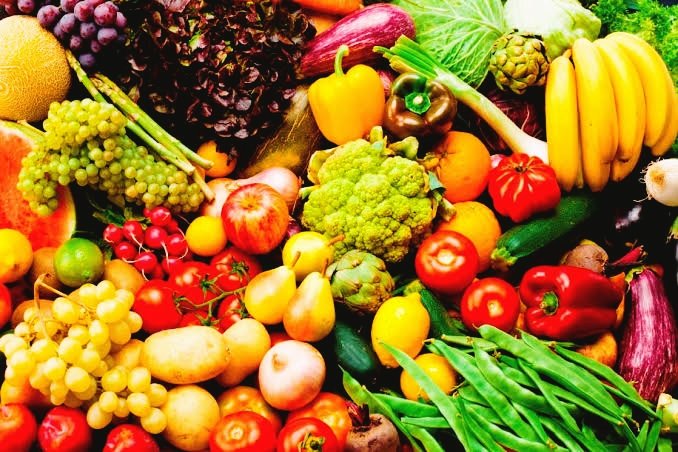
Colorful produce provides antioxidants, vitamins, and plant compounds that help support cellular health.
Good choices include:
- Blueberries
- Spinach
- Broccoli
- Citrus fruits
- Bell peppers
- Sweet potatoes
Aim for a variety of colors throughout the week.
Protein-Rich Foods
Protein helps support the production of antibodies and immune cells.
Healthy protein sources include:
- Eggs
- Fish
- Greek yogurt
- Beans
- Lentils
- Lean poultry
Fiber-Rich Foods
Fiber supports digestive health and beneficial gut bacteria.
Examples include:
- Oats
- Whole grains
- Chia seeds
- Fruits
- Vegetables
- Legumes
3. Gut Health and Immunity Are Closely Connected
Many experts believe the gut plays an important role in immune system function.
A large portion of immune activity is associated with the digestive system and gut microbiome.
A balanced gut environment may help:
- Support healthy inflammation responses
- Promote immune balance
- Maintain digestive wellness
Probiotic Foods That May Support Gut Health
Probiotic-rich foods contain beneficial bacteria that may help maintain gut balance.
Examples include:
- Yogurt
- Kefir
- Sauerkraut
- Kimchi
- Fermented vegetables
Prebiotic foods such as bananas, oats, garlic, onions, and asparagus may also help nourish beneficial gut bacteria.
4. Sleep Is Essential for a Healthy Immune System
Sleep is one of the most overlooked factors in immune health.
During sleep, the body performs important recovery and repair processes that support immune function.
Poor sleep may contribute to:
- Increased inflammation
- Fatigue
- Reduced immune response
- Higher stress hormone levels
Healthy Sleep Habits
- Maintain a consistent sleep schedule
- Limit screens before bed
- Reduce caffeine late in the day
- Create a calm sleep environment
Most adults benefit from approximately 7–9 hours of quality sleep per night.
5. Stress Management Can Help Support Immunity
Chronic stress may affect the body’s natural defense systems.
Long-term stress can increase cortisol levels, which may influence:
- Sleep quality
- Energy levels
- Inflammation
- Immune balance
Learning healthy stress management techniques may support both mental and physical wellness.
Simple Ways to Reduce Stress Naturally
Deep Breathing Exercises
Slow breathing techniques may help calm the nervous system.
Meditation and Mindfulness
Even a few minutes daily may support relaxation and emotional balance.
Physical Activity
Walking and light exercise can help reduce stress hormones.
Social Connection
Strong relationships and emotional support may improve resilience during stressful periods.
Important Vitamins for Immune System Support
Vitamins and minerals help support normal immune system function.
Vitamin D and Immune Health
Vitamin D plays an important role in immune regulation and overall wellness.
Some people may have lower vitamin D levels during winter months or limited sun exposure.
Sources include:
- Sunlight
- Fatty fish
- Egg yolks
- Fortified foods
Supplementation should be discussed with a healthcare professional if needed.
Vitamin C Benefits for the Immune System
Vitamin C acts as an antioxidant and helps support immune cell function.
Foods rich in vitamin C include:
- Oranges
- Strawberries
- Kiwi
- Bell peppers
- Broccoli
Vitamin C is one of the most commonly discussed nutrients for immune support and cold prevention.
Zinc and Immune Function
Zinc is involved in several immune-related processes.
Dietary sources include:
- Nuts
- Seeds
- Meat
- Shellfish
- Legumes
A zinc deficiency may negatively affect immune function.
Vitamin A, B Vitamins, and Vitamin E
These nutrients help support:
- Cellular health
- Energy production
- Skin and mucous membrane health
- Antioxidant protection
A balanced diet usually provides a combination of these essential nutrients.
Natural Home Remedies That May Support Immune Health
Some traditional foods and herbs contain compounds associated with antioxidant or anti-inflammatory properties.
Turmeric
Turmeric contains curcumin, a plant compound studied for its antioxidant properties.
It is commonly used in teas, soups, and wellness drinks.
Lemon
Provide vitamin C and help support hydration and wellness.
Blueberries
Blueberries contain antioxidants known as anthocyanins, which help protect cells from oxidative stress.
Dandelion
Dandelion contains plant compounds and antioxidants that are sometimes used in traditional wellness practices.
Common Habits That May Weaken the Immune System
Certain lifestyle habits may negatively affect immune balance over time.
Examples include:
- Smoking
- Excess alcohol intake
- Chronic stress
- Poor sleep
- Lack of physical activity
- Highly processed diets
- Long-term sleep deprivation
Improving daily habits gradually can support long-term wellness.
What Research Says About Immune Health
Health organizations such as the:
- World Health Organization (WHO)
- Mayo Clinic
- Harvard Health
- Centers for Disease Control and Prevention (CDC)
continue to emphasize the importance of:
- Nutrition
- Sleep
- Physical activity
- Stress management
- Vaccination
- Healthy lifestyle habits
for maintaining overall immune health.
No single vitamin or food can completely prevent illness, but healthy daily routines may help support the body’s natural defense systems.
Frequently Asked Questions
What is the best way to strengthen the immune system naturally?
Healthy habits such as balanced nutrition, regular exercise, quality sleep, stress management, and proper hydration may help support immune function naturally.
Which vitamins are best for immune support?
Vitamin D, vitamin C, zinc, vitamin A, and several B vitamins are commonly associated with normal immune system function.
Can sleep affect immunity?
Yes. Poor sleep may negatively affect immune response, stress hormones, and overall wellness.
What foods help boost immunity?
Fruits, vegetables, yogurt, whole grains, nuts, seeds, and lean proteins are commonly recommended for immune support.
Can stress weaken the immune system?
Chronic stress may influence immune balance and increase inflammation levels over time.
Conclusion
Supporting your immune system is not about quick fixes or miracle supplements.
Long-term immune health is usually built through consistent lifestyle habits such as:
- Eating nutrient-rich foods
- Staying physically active
- Managing stress
- Sleeping well
- Supporting gut health
- Staying hydrated
Small daily improvements may help your body function more effectively and support overall wellness throughout the year.
Medical Disclaimer
This article is for informational and educational purposes only and does not constitute medical advice, diagnosis, or treatment. Always consult a qualified healthcare professional before making changes to your diet, supplements, medications, or healthcare routine.
Sources
- World Health Organization (WHO)
- Mayo Clinic
- Harvard Health Publishing
- Centers for Disease Control and Prevention (CDC)
- National Institutes of Health (NIH)