
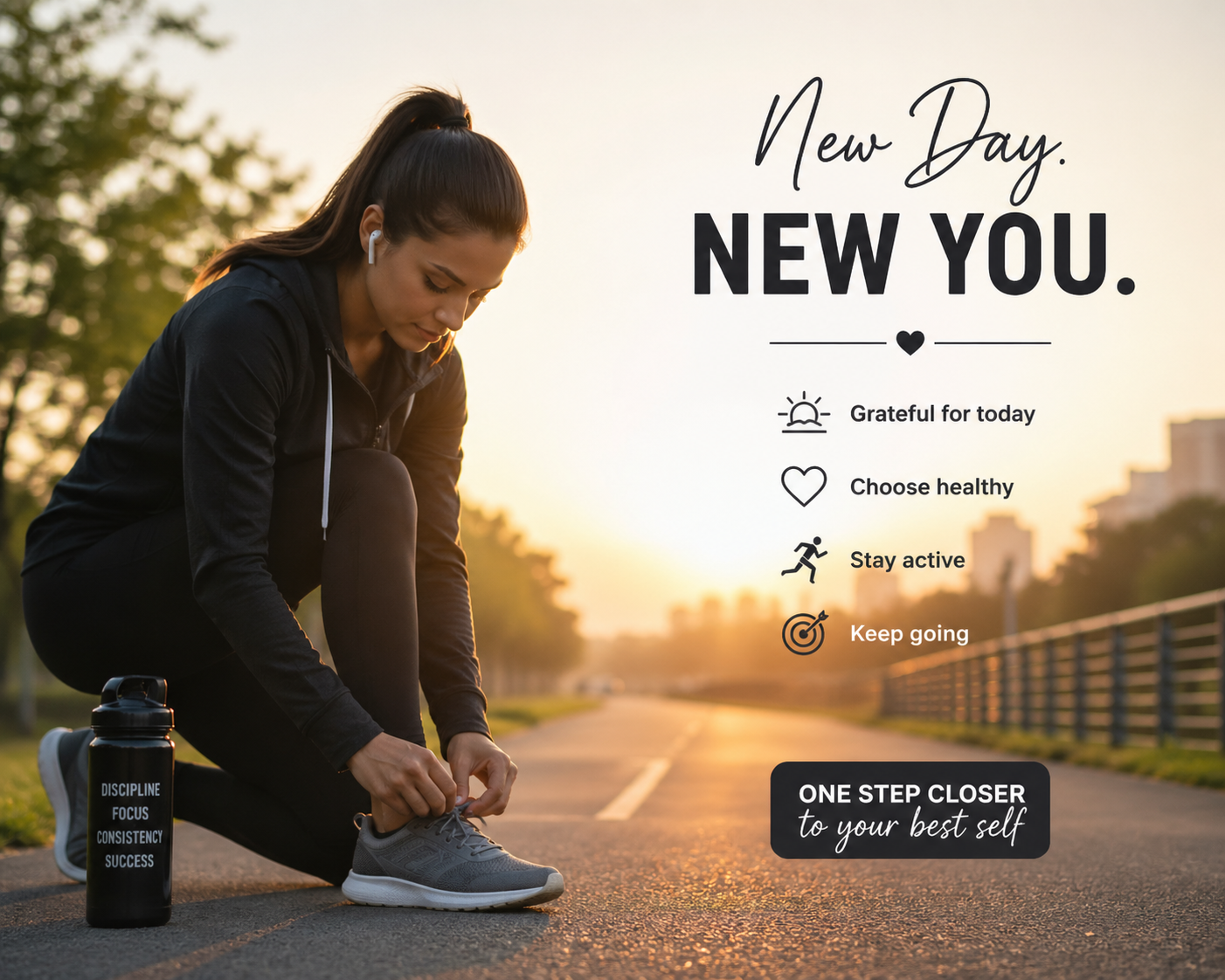
Creating healthy habits sounds simple in theory. Exercise regularly. Sleep better. Take breaks. Make time for yourself.
Yet for many people, these goals often get pushed aside by work deadlines, family responsibilities, digital distractions, and the constant pressure to stay productive. Over time, healthy routines begin to feel like another task on an already overwhelming checklist.
But lasting wellness is rarely about perfection. In many cases, it starts with something much smaller: the courage to begin.
Learning how to stay consistent with healthy habits is not only about discipline. It also involves mindset, emotional balance, self-awareness, and realistic lifestyle changes that can be maintained over time.
Why Healthy Habits Are So Difficult to Maintain
Many people struggle with consistency because they approach wellness with an “all-or-nothing” mentality.
For example:
- Starting intense workout programs too quickly
- Setting unrealistic expectations
- Comparing progress to others
- Expecting immediate results
- Feeling guilty after missing a day
Research in behavioral psychology suggests that sustainable habits are usually built through repetition, emotional connection, and gradual progress rather than extreme motivation.
Daily stress can also affect:
- Energy levels
- Sleep quality
- Mental focus
- Decision-making
- Emotional resilience
When people are mentally exhausted, healthy choices often become more difficult.
Exercise Should Feel Like Self-Care, Not Punishment
One of the biggest mindset shifts is learning to view movement as self-care instead of obligation.
Physical activity is not only about weight loss or appearance. Regular movement may support:
- Cardiovascular health
- Emotional well-being
- Stress management
- Better sleep
- Increased energy
- Long-term mobility
Health researchers studying healthy aging and longevity consistently identify regular physical activity as one of the strongest lifestyle factors associated with long-term wellness.
However, exercise becomes harder to maintain when it feels forced.
Instead of focusing only on performance, many people benefit from choosing activities they genuinely enjoy.
Examples of Enjoyable Movement
- Walking outdoors
- Cycling
- Yoga
- Swimming
- Dancing
- Stretching routines
- Recreational sports
The best form of exercise is often the one you can realistically continue.
Small Daily Actions Often Create Bigger Results
Many wellness journeys fail because people expect dramatic overnight transformation.
In reality, long-term change usually develops through smaller repeated actions.
For example:
- A 15-minute walk every morning
- Drinking more water daily
- Sleeping 30 minutes earlier
- Taking regular screen breaks
- Preparing healthier meals at home
Over time, these small decisions may create meaningful improvements in physical and mental well-being.
Consistency is often more important than intensity.
The Role of Courage in Personal Growth
Courage is not always dramatic or visible.
Sometimes courage simply means:
- Starting again after failure
- Prioritizing your health
- Setting boundaries
- Trying new routines
- Taking time to rest
- Asking for support
Personal growth often requires people to move beyond familiar habits and comfort zones.
That process can feel uncomfortable at first.
However, choosing healthier routines may gradually strengthen:
- Confidence
- Emotional resilience
- Self-respect
- Motivation
- Sense of control
Building healthy habits is not about becoming perfect. It is about becoming more intentional with your daily choices.
Mental Wellness and Physical Movement Are Closely Connected
Physical movement and emotional health are deeply interconnected.
Regular activity may help support:
- Reduced stress levels
- Improved mood
- Better concentration
- Emotional balance
- Reduced mental fatigue
Exercise may also encourage the release of endorphins, sometimes called “feel-good” chemicals, which can contribute to a more positive mental state.
At the same time, emotional stress can influence physical health habits.
People experiencing burnout, anxiety, or emotional exhaustion may find it harder to:
- Exercise consistently
- Sleep well
- Eat balanced meals
- Maintain routines
This is why sustainable wellness often involves both physical and emotional self-care.
How to Make Healthy Habits Stick
Creating realistic systems is often more effective than relying on motivation alone.
Helpful Strategies Include:
Start Small
Avoid overwhelming lifestyle changes.
Simple habits are easier to maintain consistently.
Create a Routine
Habits become easier when attached to existing routines.
Example:
- Walking after breakfast
- Stretching before bed
- Drinking water after waking
Focus on Progress, Not Perfection
Missing one day does not erase long-term progress.
Consistency develops over time.
Reduce Unrealistic Pressure
Social media often promotes unrealistic wellness standards.
Sustainable health looks different for everyone.
Celebrate Small Wins
Recognizing progress may improve long-term motivation.
Even small positive changes matter.
Common Mistakes That Prevent Consistency
Some habits fail because people unintentionally create unnecessary pressure.
Common Examples
- Trying to change everything at once
- Following unsustainable fitness trends
- Ignoring rest and recovery
- Comparing progress to others
- Depending entirely on motivation
- Setting extreme goals
Healthy routines should support your life, not control it.
Building a Lifestyle That Supports Long-Term Wellness
Wellness is not built in a single day.
Long-term health often develops through repeated choices that support:
- Physical activity
- Mental clarity
- Balanced nutrition
- Rest
- Emotional resilience
- Stress management
True well-being is rarely about temporary motivation. It is more often connected to self-awareness, balance, and sustainable habits that fit realistically into everyday life.
Frequently Asked Questions
Why do healthy habits fail so quickly?
Many habits fail because goals are unrealistic, routines are too strict, or motivation fades before consistency develops.
What is the easiest exercise habit to start with?
Walking is often considered one of the simplest and most sustainable forms of physical activity for beginners.
Can exercise improve mental well-being?
Regular physical activity may help support mood, reduce stress, and improve emotional balance.
Is motivation enough to maintain healthy routines?
Motivation can help initially, but long-term consistency usually depends more on sustainable systems and realistic routines.
Final Thoughts
Healthy living does not require perfection.
It starts with small decisions repeated consistently over time.
Sometimes the hardest part is simply beginning:
- taking the first walk,
- setting healthier boundaries,
- creating time for yourself,
- or believing that change is possible.
Courage is not about dramatic transformation overnight. It is about continuing forward, even in small steps.
The people who build lasting wellness habits are not always the most disciplined. Often, they are simply the ones who keep showing up for themselves, one day at a time.
Medical Disclaimer
This article is for informational and educational purposes only and does not constitute medical, psychological, or professional health advice. Always consult a qualified healthcare professional regarding any medical or mental health concerns, treatment decisions, or lifestyle changes.
Sources
- World Health Organization (WHO)
- Centers for Disease Control and Prevention (CDC)
- American Psychological Association (APA)
- National Institute of Mental Health (NIMH)
- Harvard T.H. Chan School of Public Health