You’re eating better. You’re trying to stay active. You’ve cut back on junk food.
And yet… the scale barely moves.
If this sounds familiar, you’re not alone.
Many people especially after their 30s and 40s, experience weight loss resistance despite making genuine efforts. It can feel confusing, even discouraging. But here’s the important truth:
Weight loss is not always about willpower. Often, it’s about what’s happening inside your body.
Let’s break down the lesser-known, science-backed reasons why you may not be losing weight and what you can realistically do about it.
Why Am I Not Losing Weight? Hidden Reasons Explained
You may not be losing weight due to hidden factors such as chronic stress, hormonal imbalances, poor sleep, slow metabolism, inconsistent eating habits, or lack of strength training. Even with a healthy diet and exercise, these internal factors can affect how your body stores fat and burns calories.
1. Chronic Stress Is Quietly Working Against You
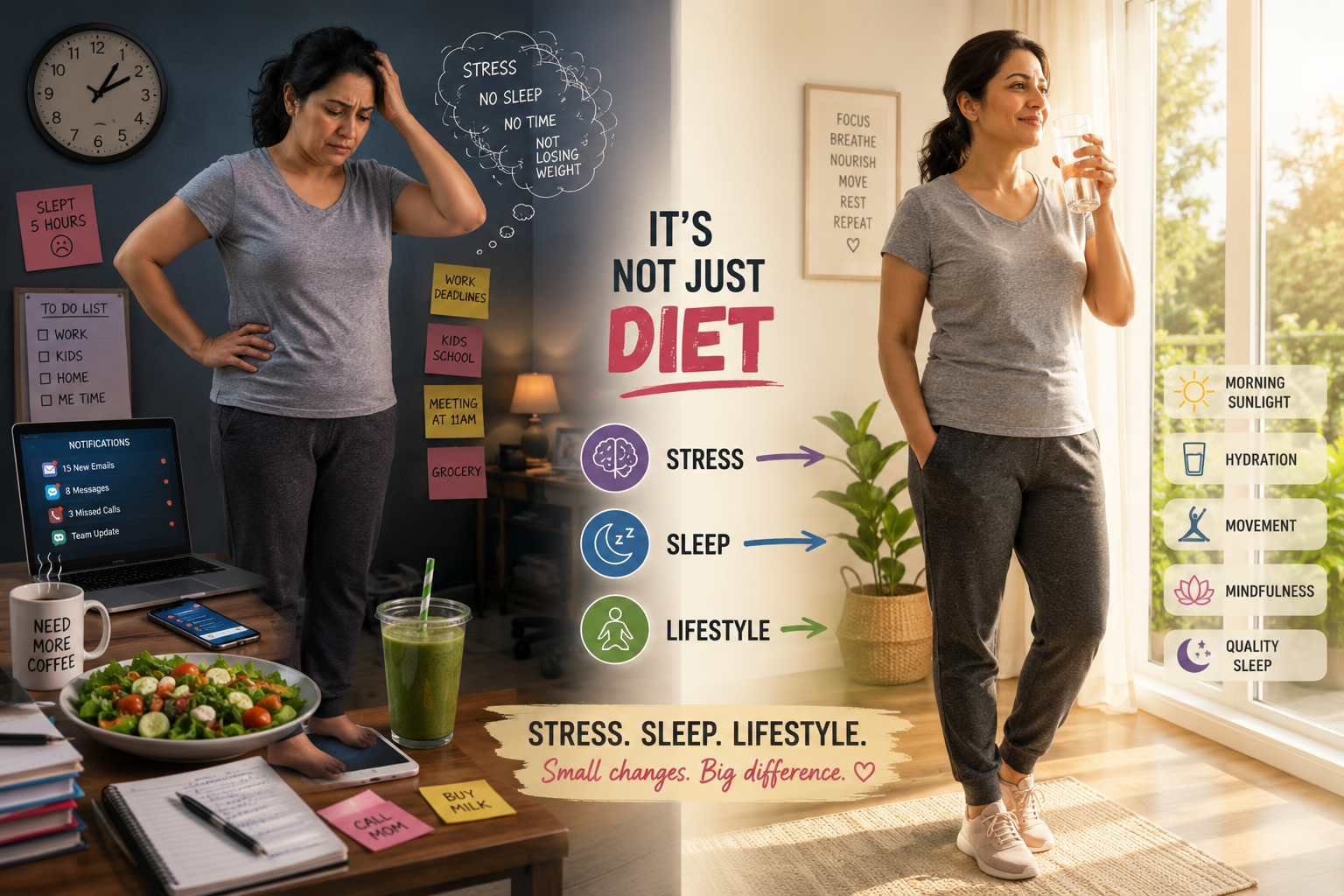
Let’s start with something most people underestimate-stress.
You might not even feel “stressed” in the traditional sense. But a packed schedule, poor sleep, constant notifications, and mental overload can keep your body in a low-level stress state.
When this happens, your body produces more cortisol, often called the stress hormone.
Why This Matters:
- High cortisol levels may increase fat storage
- It can trigger cravings for sugary or high-calorie foods
- It may slow down your metabolism
- It encourages fat storage, especially around the abdomen
Over time, your body shifts into survival mode, prioritizing energy storage instead of fat burning.
2. You’re Sleeping, But Not Resting
You might be getting 6-7 hours of sleep, but the quality of that sleep matters just as much as the duration.
Poor sleep affects hormones that control hunger and fullness:
- Ghrelin (increases hunger)
- Leptin (signals fullness)
Real-Life Example:
You wake up tired -> crave sugar or caffeine -> energy crashes -> repeat cycle.
This pattern can make weight loss much harder than it needs to be.
What Helps:
- Consistent sleep schedule
- Reduced screen time before bed
- A calm nighttime routine
3. Your Metabolism Has Slowed Down
As we age, metabolism naturally becomes less efficient.
This doesn’t mean your body is “broken”, it simply means it requires a different approach than before.
Contributing Factors:
- Loss of muscle mass
- Hormonal changes
- Reduced physical activity
- Long-term dieting history
If your metabolism slows, your body burns fewer calories at rest. So even if you’re eating the same way you did years ago, weight loss may stall.
4. You’re Eating Healthy… But Not Strategically
This is a common situation.
You may be eating:
- Salads
- Smoothies
- “Healthy” snacks
But still not seeing results.
Why?
Because even healthy foods can:
- Be calorie-dense
- Lack enough protein
- Cause blood sugar spikes
Example:
A smoothie with fruit, honey, and nut butter can easily exceed calorie needs without keeping you full.
Better Approach:
- Focus on balanced meals (protein + fiber + healthy fats)
- Avoid frequent snacking without hunger
- Pay attention to portion sizes
5. Hormonal Changes Are Affecting Your Body
Hormones play a major role in weight regulation.
This is especially relevant for:
- Women over 40 (perimenopause/menopause)
- Individuals with thyroid imbalance
- People under chronic stress
Common Hormonal Influences:
- Estrogen fluctuations – fat redistribution
- Insulin resistance – increased fat storage
- Cortisol imbalance – belly fat gain
These changes are natural, but they can make weight loss slower and more complex.
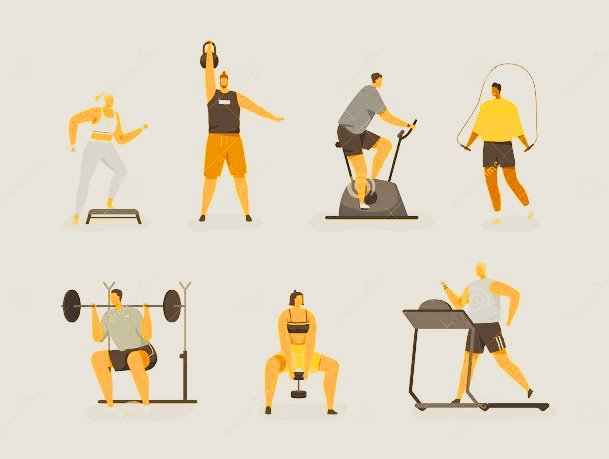
6. You’re Doing Too Much Cardio, Not Enough Strength Training
Cardio is great for heart health, but it’s not always enough for fat loss.
If your routine mostly includes:
- Walking
- Running
- Cycling
without resistance training, you may be missing a key factor.
Why Strength Training Matters:
- Builds muscle mass
- Supports metabolism
- Improves body composition
- Helps burn more calories at rest
Even 2–3 sessions per week can make a noticeable difference over time.
7. You’re Underestimating Hidden Calories
This is not about strict calorie counting, but awareness matters.
Small things add up:
- Cooking oils
- Sauces and dressings
- Sugary drinks
- “Just a bite” habits
These extras may not seem significant individually, but over time they can prevent a calorie deficit.
8. You’re Expecting Fast Results
This one is more psychological, but equally important.
Many people expect visible changes within a few weeks. When that doesn’t happen, they feel like nothing is working.
But sustainable weight loss is often slow.
Realistic Progress:
- 0.5 to 1 kg per week (approximate, varies by individual)
- Non-scale victories (energy, sleep, mood)
- Changes in body composition, not just weight
Consistency matters more than speed.
9. Your Body Is Holding Onto Fat as Protection
This may sound surprising, but your body is designed to protect you, not just help you lose weight.
If it senses:
- Stress
- Lack of sleep
- Irregular eating
- Over-exercising
…it may hold onto fat as a survival mechanism.
This is why extreme dieting or overtraining can sometimes backfire.
What You Can Do Instead (Simple, Sustainable Steps)
Rather than focusing on drastic changes, aim for consistency.
Practical Tips:
- Prioritize sleep quality
- Manage daily stress levels
- Include strength training
- Eat balanced meals with enough protein
- Stay physically active (not just workouts)
- Avoid extreme dieting
Small improvements done daily often create long-term results.
When to Seek Professional Guidance
If you’ve been trying consistently and still see no progress, it may be helpful to consult a healthcare professional.
Consider getting support if you experience:
- Persistent fatigue
- Hormonal symptoms
- Sudden weight changes
- Irregular sleep patterns
- High stress levels
A personalized approach may be more effective than general advice.
Frequently Asked Questions (FAQ)
Why am I not losing weight even after dieting?
Weight loss resistance can be caused by factors such as stress, poor sleep, hormonal imbalance, slow metabolism, or hidden calorie intake, not just diet alone.
Can stress stop weight loss?
Yes. Chronic stress may increase cortisol levels, which can lead to fat storage, cravings, and slower metabolism.
Is it harder to lose weight after 40?
For many people, yes. Hormonal changes, muscle loss, and slower metabolism can make weight loss more challenging, but not impossible.
What is the biggest mistake in weight loss?
One of the most common mistakes is focusing only on calories while ignoring sleep, stress, and overall lifestyle habits.
Final Thoughts
If you’re not losing weight despite your efforts, it doesn’t mean you’re doing everything wrong.
In many cases, your body is responding to internal factors like stress, hormones, sleep, and metabolism—not just food and exercise.
Instead of pushing harder, it may help to:
- Slow down
- Adjust your approach
- Support your body, not fight it
Progress may take time but with the right strategy, it is absolutely possible.
Medical Disclaimer
This content is for informational purposes only and does not replace professional medical advice, diagnosis, or treatment. Always consult a qualified healthcare provider before making significant changes to your diet, exercise, or health routine.
Sources
- Harvard Health Publishing – Research on stress, metabolism, and weight regulation
- Mayo Clinic – Sleep, metabolism, and weight management insights
- Cleveland Clinic – Hormones and weight gain explanations
- American Psychological Association – Effects of chronic stress on the body
- Centers for Disease Control and Prevention – Healthy weight and lifestyle guidance
- National Institute on Aging – Aging, metabolism, and body composition